Debugging APM Issues in Kubernetes
Using Python to debug networking issues in Kubernetes Pods when attempting to communicate with the Datadog Agent.


The world of work has had to quickly adapt to the new rules of society. Now more than ever traditional businesses are having to look beyond their immediate goals of sales and revenue and put society at the heart of their business operations. Government legislation on COVID-19 means as many people as possible must work remotely to protect staff, customers and the community.
Delivering rapid innovation to your users is critical in the fast-moving world of technology. Kubernetes is an amazing engine to drive that innovation in the cloud, on-premise and at the edge. All that said, Kubernetes and the entire ecosystem itself changes quickly. Keeping Kubernetes up to date for security and new functionality is critical to any deployment.
If you have discovered that your application demand changes over time, you’re probably wondering how you can continuously adjust your cloud capacity in accordance to application demand. If you use CloudFormation, then you’re in luck! This article walks through how you can update your template code to automatically implement infrastructure adjustments, periodically.
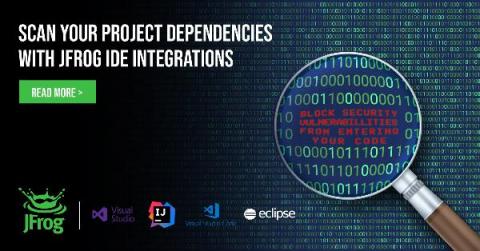
As continuous software deployments grow and become the accepted standard, security measures gain even more importance. From development and all the way through to production, security requirements should be adopted by all teams in an organization. JFrog IDE integrations provide security and compliance intelligence to the developer right from within their IDE.
A look into the shift from traditional Windows apps to SaaS, and more specifically browser-based apps. The concept of a “web application” began with the earliest CGI-powered web pages as far back as 1993, soon followed by PHP and other technologies that (very often) presented a web front end to a back-end database, with a browser-based workflow for user interaction.
From the very beginning, the Elastic Stack — Elasticsearch, Kibana, Beats, and Logstash — has been free and open. Our approach is not only to make our technology stack available for free, but to make it open — housed in public repositories and developed through a transparent approach with direct involvement from the community. Two simple principles — free and open — broke down barriers and enabled many amazing things.
We don’t have a customer support team. We have an engineering team, who talk to customers every day. We believe that the best people to help our customers use the product are the people who wrote it.
Certifications are a great way to show industry knowledge of specific tools but also display your commitment and passion for the subject. Many big tech players such as Google, Amazon Web Services (AWS), and Microsoft offer certifications to educate users on how to use their tools and services correctly. Besides sharing valuable knowledge, DevOps certification is a great way to onboard new developers and businesses to their platform. But why should you participate in exams to receive certifications?