Adding uptime capacity for our mates down under
Last week we finished adding more uptime monitoring capacity for our users that are working out of Australia, to provide faster uptime monitoring.


Last week we finished adding more uptime monitoring capacity for our users that are working out of Australia, to provide faster uptime monitoring.
In the previous posts of this blog series, we discussed advanced persistent threats and data breaches, highlighting the importance of data security in today’s times. In the final post of this series, we’ll talk about cryptojacking, a type of attack that can severely affect your network’s integrity, and how you can combat it with event correlation.
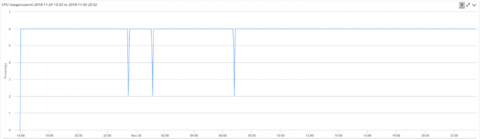
Retune AB manages a variety of Ubiquiti devices -- wireless data communication products for enterprise and wireless broadband providers. Naturally, we wanted to bring these in under monitoring. However, Ubiquiti does not expose real-time CPU or memory metrics through SNMP in a way that we found reliable and these are some of the key values needed to verify the health of the device.
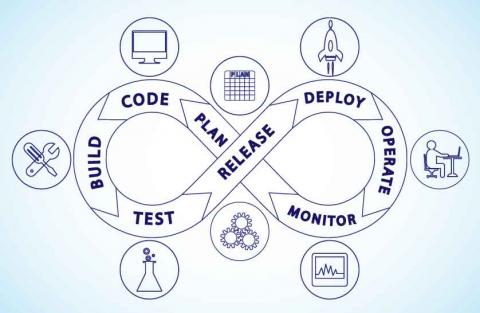
To many IT software teams, the mantra currently in vogue for team practice is “shift-left.” That refers to moving certain activities, such as code integration, build, and testing, earlier in the software development and delivery process. By shifting them to the left, the team knows more about code quality and performance earlier, allowing for corrective action and making them nimbler in response.
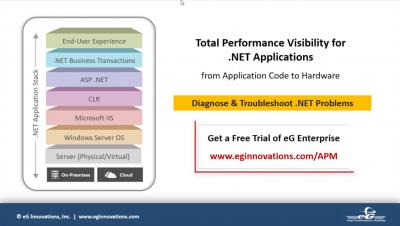
Application performance monitoring (APM) solutions are among the most essential tools for IT today. As organizations undertake transformational initiatives such as cloud migration, container orchestration and microservices, they need to be able to manage performance of their business-critical applications and end-user experience across complex and sophisticated technology landscapes.
Among the new features of the latest Pandora FMS 730 update package, new functionalities have been incorporated such as the incorporation of heat maps, the synchronization of inventory and server plugins in the Meta Console and new calls to the Pandora FMS API.
What should one pay for observability? How much observability is enough? How much is too much, or is there such a thing? Is it better to pay for one product that claims (dubiously) to do everything, or twenty products that are each optimized to do a different part of the problem super well? It’s almost enough to make a busy engineer say “Screw it, I’m spinning up Nagios”. (Hey, I said almost.)