Logs provide a wealth of information that is invaluable for use cases like root cause analysis and audits. However, you typically don’t need to view the granular details of every log, particularly in dynamic environments that generate large volumes of them. Instead, it’s generally more useful to perform analytics on your logs in aggregate.
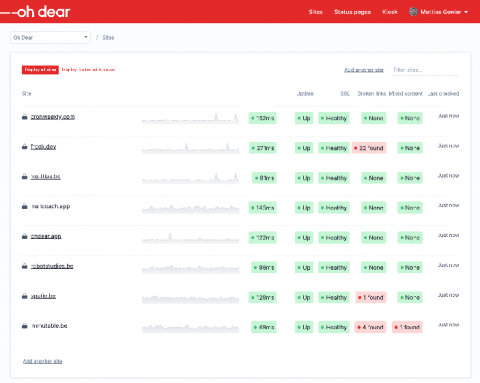
We're excited to announce all Oh Dear users now have access to detailed performance metrics for all of their websites! Let us take you through a quick tour of the new performance monitoring.
Today, we’ll dive into N+1 queries—what they are, how to spot them, why they have such an impact, and how to solve them.
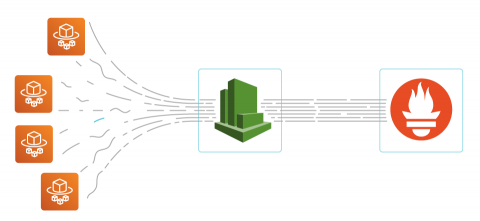
In this article, we will show how it’s easily possible to monitor AWS Fargate with Sysdig Monitor. By leveraging existing Prometheus ingestion in Sysdig, you will be able to monitor serverless services with a single-pane-of-glass approach, giving you confidence in running these services in production.
Nathan Foreman, our solutions superstar here at Cookdown, shares his knowledge on how to successfully blend data sources to create a beautifully populated CMDB, as well as tips on how to customise and maintain data quality. Nathan talked us through the process of using ServiceNow’s out of the box Identification and Reconciliation Engine (IRE) to ensure a smooth integration of a multi-source CMDB.
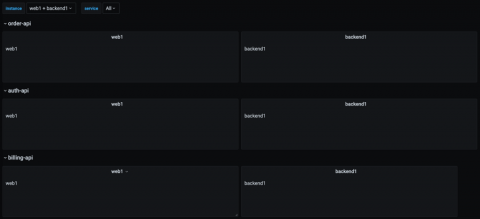
Running your software on dynamic infrastructure means that your monitoring platform needs to change dynamically. Variables let you reuse a single dashboard for all your services. Select the service you want to inspect from a drop-down menu, and watch panels update to only show you metrics from that service. Grafana lets you create dynamic dashboards using template variables. Any variables in your queries interpolate the current value of the variable before the query is sent to the database.