The latest News and Information on CyberSecurity for Applications, Services and Infrastructure, and related technologies.
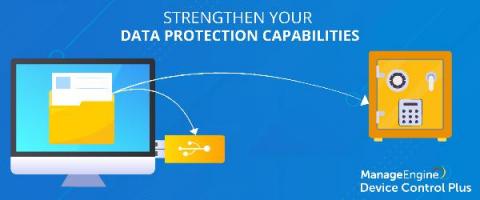
As part of digital transformation, the adoption of a wide range of devices for work is on the rise. A unified endpoint management (UEM) solution is capable of enforcing management policies and configurations, as well as securing endpoints. In a previous blog, we reviewed the capabilities of a good UEM solution. In this instalment, we look at UEM security features.
For several months, the Intelligence & Analytics team at Elastic Security has tracked an ongoing adversary campaign appearing to target Ukranian government officials. Based on our monitoring, we believe Gamaredon Group, a suspected Russia-based threat group, is behind this campaign. Our observations suggest a significant overlap between tactics, techniques, and procedures (TTPs) included within this campaign and public reporting.
2019 was a big year for Kubernetes adoption, and 2020 is sure to exceed that pace. Already, we have seen a large number of organizations migrating their workloads to Kubernetes (k8s) both in public and private clouds as they embrace a hybrid cloud strategy. With so much at stake, what are you currently using for network security inside your k8s cluster?
We are excited to announce that Elastic will offer free, monitored Elastic Endpoint Security to the 2020 US presidential and congressional campaigns in partnership with Defending Digital Campaigns. Defending Digital Campaigns (DDC) is a non-partisan organization that provides low- and no-cost security products and services to federal campaigns to help defend them from cyberattacks and election interference.
Ransomware has been a growing threat in recent years, and experts now estimate the cost of these attacks at $7.5 billion in the USA alone in 2019. The affected institutions include 966 government agencies, educational establishments, and healthcare providers. Since most ransomware attacks stem from a small mistake made by one end user, either through phishing emails or stolen credentials, the threat is only expected to increase in the years to come.
We’ve been busy this New Year (a rather warm one in San Francisco) to bring you exciting new ways to secure your DevOps journey. Read on for the details and see how you can put them to use!
In this blog series, we’ll explore a few ways that Rancher uses of TLS certificates. TLS, or Transport Layer Security, is a cryptographic protocol used to secure network communication. It is the successor to the now-deprecated Secure Sockets Layer, or SSL. You can expect to walk away with an understanding of how TLS integrates into various Rancher components, and how you can prepare your environment to properly leverage TLS in Rancher.