The latest News and Information on Monitoring for Websites, Applications, APIs, Infrastructure, and other technologies.
Technically speaking, observability offers visibility into the data being generated by your infrastructure devices, systems, and applications — but in reality, it offers the opportunity to see what’s happening, There’s no guarantee that you’ll get what you want; you have to set things up in a way that makes it possible for you to get the insights you need.
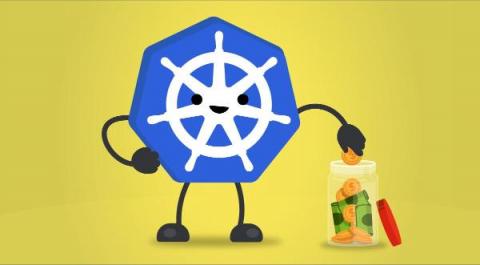
Over the last couple of years, Kubernetes (often called K8s) has become the most popular and well-known container orchestration system for automating application deployment, scaling, and management. Scheduling containers at scale in a cloud-native ecosystem is central to the technology. Kubernetes itself is an open-source project, and as such presents challenges for many enterprises especially in regulated industries with strong security requirements and formal SLA commitments.
A prelude to our upcoming six-part Observability Maturity Model Fundamentals blog series. By Lodewijk Bogaards At StackState, we have spent eight years in the monitoring and observability spaces. During this time, we have spoken with countless DevOps engineers, architects, SREs, heads of IT operations and CTOs, and we have heard the same struggles over and over.
It’s no secret that CI/CD pipelines make the lives of engineering and operations easier by accelerating the feedback loop for higher quality code and apps. They build code, run tests, and safely deploy new versions of your application. But just like any aspect of development, poor integration, invisible bottlenecks, and bugs can plague your pipelines. And debugging them? Well, it’s complicated.