Operations | Monitoring | ITSM | DevOps | Cloud

The latest News and Information on Log Management, Log Analytics and related technologies.

Resilience as the Foundation for Growth and Compliance in Financial Services

Discover how financial services leaders build digital resilience amid security threats and compliance challenges. Learn strategies to enhance your security posture, drive growth, and meet customer expectations in uncertain times. Featuring insights from IDC and Splunk experts.
More Value From Your Logs: Next Generation Log Management from Mezmo

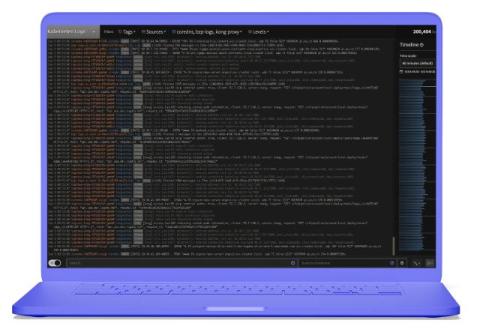
Once upon a time, we thought “Log everything” was the way to go to ensure we have all the data we needed to identify, troubleshoot, and debug issues. But we soon had new problems: cost, noisiness, and time spent sifting through all that log data. Enter log analysis tools to help refine volumes of log data and differentiate signal from the noise to reduce mental toil to process. Log beast tamed, for now….

Python Logs: What They Are and Why They Matter

Imagine living in a world without caller ID, which is easy if you grew up in the “late 1900s.” Every time someone called, you had a conversation that followed this pattern: Hi! Who’s this? It’s Jeff! Hi Jeff! How’s it going? Today, most people already know who’s calling when they answer the phone because caller ID is built into smartphones and communications apps. As a developer, your Python logging is your application’s caller ID.

Log Shipper - What Is It and Top 7 Tools

Centralizing logs (arranging all records in one place) is often challenging as we need to decide whether to use a log shipper or directly log from the application. If you are not familiar with a log shipper, logging directly from the library might be a suitable option for development (it is easy to configure). However, in production, you'll likely want to use one of the available log shippers, mainly due to buffers, since blocking the application or dropping data (immediately) may not be an option.

What Small and Medium-sized Businesses Should Look for in a Data Lake

Data is wealth. Extracting insights from data is valuable for any organization—data aids in making informed decisions, optimizing operations and costs, and understanding how customers behave. However, reaping the benefits of data requires an investment in the right tools, resources, and people — something smaller organizations may not have the means to do.

Syslog 101: Everything You Need To Know

System logging protocol, abbreviated as Syslog, is a standard protocol used for message logging. Put simply, it is a standard for collecting and storing log information. A Syslog server collects, parses, stores, examines, and dispatches log messages from devices including routers, switches, firewalls, Linux/Unix hosts, and Windows machines.

Strategies for Lowering Observability Costs

Learn how to cut IT observability costs with OpenTelemetry. We'll cover ways to streamline data collection, reduce hidden expenses, and optimize data management. Discover practical tips for handling telemetry data efficiently, avoiding vendor lock-in, and improving system performance. Watch this video for actionable insights and real-world examples of using OpenTelemetry to manage costs effectively.

The Best API Monitoring Tools

With the continual rise of website applications and cloud-based microservices effective API monitoring has become crucial. APIs outline the methods and data formats that applications can utilize to request and exchange information. They allow developers to access the functionality of a software component or service without needing to comprehend its internal workings.

How to Integrate Serilog with Logit.io

Serilog offers users a streamlined logging framework for.NET applications and cloud services. The tool enables users to adjust logging levels, enrich log events with additional properties, and switch between different sinks without modifying the application code. The simplicity of Serilog, its support of structured logging, and compatibility with asynchronous applications and systems are a selection of the tool's features that have led to it being commonly used across a variety of organizations.