Operations | Monitoring | ITSM | DevOps | Cloud

Embedding Git Commit Information in Go Binaries

It is always helpful to know which version you are running of some software, even more so when running development versions. So it’s good if software is able to tell you its version, for example by calling it with --version. For release versions, maintaining this information by hand is feasible, but in order for development versions to show exact revision information, you need some automation, otherwise updating it will be forgotten, leaving you with wrong information.

How EAM Software Overcomes Organization's Common Challenges?

EAM software can be extremely useful to an organization as it not only provides complete control and visibility of assets but also guarantees security and compliance as well. However, there are several challenges that EAM software overcomes. What are those challenges that we will explore in this blog now! So, without wasting any time let us begin. But first, let us cover the basics first!

Hardware Asset Management (HAM) Explained

A well-run IT team keeps track of every asset in their domain, including hardware, software, and licenses. The specific task of managing hardware assets is known as hardware asset management. This involves keeping tabs on hardware from the time it’s requested and purchased to when it’s phased out of use and disposed of. As you can imagine, this can be a daunting task when handled manually.

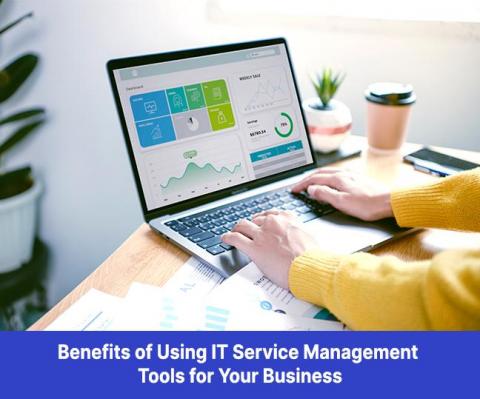
Benefits of Using IT Service Management Tools for Your Business

The IT department plays a significant role in determining the long-term success of any business organisation. It needs to boost performance, manage risk, and anticipate issues, all while controlling expenditures for software, hardware, and cloud solutions. IT service management is the best way to achieve all these goals and enhance competitiveness in today’s ever-evolving market. How do the organisations keep track of their IT service management systems and processes?

How Can ITSM Integration Help Your Business Right Now?

Integrating your ITSM platform with other third-party apps to sync with one another, sharing data or events that occur in one of them, is called ITSM Integration. By implementing the ITSM strategies, many businesses have realized the need to connect it with other applications and data sources such as HR, customer service, security, and IT. ITSM integration is essential to getting the best out of a potentially complex and disjointed service strategy.

What is the difference between ITSM and ITOM? And how can you use their collaboration to your advantage?

Imagine sitting at a service desk, and your prime responsibility objective is to resolve an incident as quickly and efficiently as possible and retain the customer. But, if you’re running into unavoidable technical issues causing frustration to customers or clients, it’s time to invest in the right tools. That’s where ITSM and ITOM come in, and these play an essential role in the organization’s growth and agility.

How may Infraon assist your company with an effective ITSM integration?

Information Technology Service Management (ITSM) is a set of processes or procedures to provide the best practices to align the IT services with current business needs. These strategies are designed to address and optimize incidents or problems in the organization. ITSM integration connects the ITSM software with other 3rd party applications using Application Programming Interfaces (APIs).