Operations | Monitoring | ITSM | DevOps | Cloud

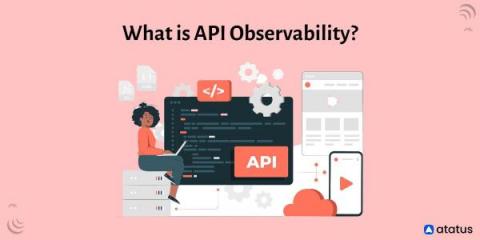
What is API Observability?

Mission-critical apps that are deployed on the cloud drive today's modern enterprises, which in turn power their businesses. These applications' fundamental units are microservices, which tiny development teams created to enable speedy feature releases to the market. APIs serve as the ties that bring these microservices together so they can cooperate.
Open source and cybersecurity: from prevention to recovery

So you have just installed the latest antivirus and turned on your shiny new firewall. Now your organisation is fully secure, right? The reality is that all the security products in the world will never be able to fully protect your data centre or your business from security threats. Because of the asymmetry between attackers and enterprises, cybersecurity is a problem that can never be solved and is never going away.

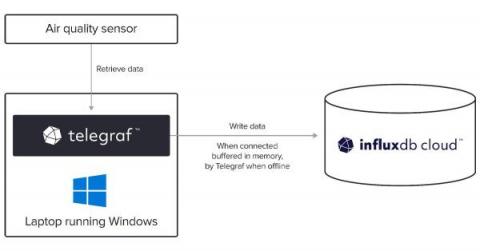
Monitoring Network Outages at the Edge and in the Cloud

Gathering data to explore a problem with power outages creating connectivity issues and ultimately draining a laptop battery. Monitoring locations that have intermittent power and/or connectivity outages can be challenging. In this article, I’ll show how to use InfluxDB, an open source time series database, InfluxDB Cloud and Edge Data Replication to store data locally and send it to a central location whenever possible.

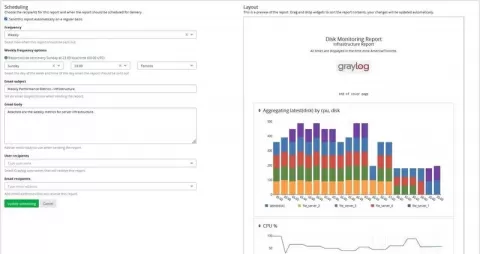
Why Centralized Log Management? Understanding the Use Cases

Centralized log management provides various benefits across an organization. The fundamentals of log management offer a wide variety of business use cases. Whether you’re managing event log data manually or realizing you need more than an Open Source solution, finding the right internal champions can make your life easier. Understanding the business use cases and strategic impact centralized log management provides can help you gain the internal buy-in you need.

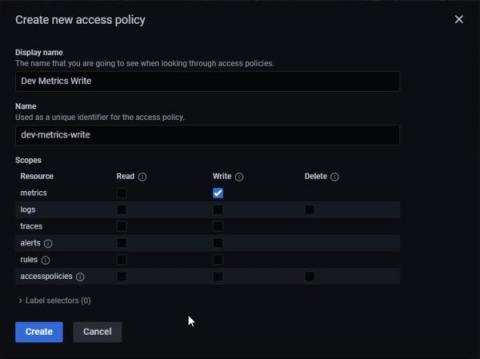
Grafana Cloud Access Policies: Say hi to the new Cloud API keys

Until recently, Grafana Cloud users had to rely on API keys to read and write data to and from the composable observability platform. These API keys had minimal features, which limited administrators’ ability to manage account access on a granular level. We’re keenly aware of these shortcomings, and we’ve been working to overhaul and replace these API keys with something more flexible, more reliable, and more secure.

Using Calico to create a Kubernetes cluster mesh for multi-cluster environments

Kubernetes has come of age with more organizations adopting a microservices architecture at scale. But scale brings a whole slew of new challenges, especially with Kubernetes, which is designed to operate as a single cluster. However, the usage of Kubernetes, especially at leading-edge organizations operating at scale, has crossed the single-cluster threshold.