Operations | Monitoring | ITSM | DevOps | Cloud

Creating Custom Kibana Visualizations

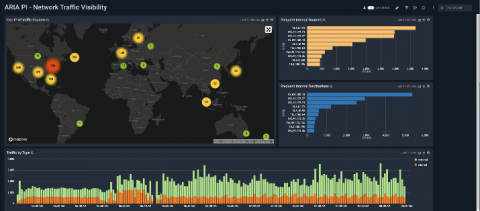
As you may very well know, Kibana currently has almost 20 different visualization types to choose from. This gives you a wide array of options to slice and dice your logs and metrics, and yet there are some cases where you might want to go beyond what is provided in these different visualizations and develop your own kind of visualization.

(Third) Party Planning: Be careful who you invite!

From a customer’s point of view, your website’s digital experience is one of the most important investments you can make for them. They are your revenue stream, your fiercest critic and the reason you exist. One great way you can improve your digital experience is by using third-party providers. Many of these providers will help you win more business, provide cool features, gather better data and much more.

Are You Ready For Serverless Development?

The way we build software products changes all the time. Serverless architecture opens up new opportunities to create awesome products faster. Not only that, serverless applications are more scalable, secure and maintainable – all with much less code. Serverless is the future of development and you should get ready for it. But what does it mean to be a serverless developer? What do you need to understand before jumping into the serverless pool?

The Super Bowl Of The Cloud

On February 3, 2019, the Sumo Logic platform experienced its biggest ever spike in incoming data and analytics usage in the company’s history. On this day, close to everybody in the U.S., and many more people across the world, experienced a massive sports event: Super Bowl LIII. The spike was caused by viewers across the world tuning into the football game using online streaming video.

A Kibana Tutorial: Getting Started

Kibana is the visualization layer of the ELK Stack — the world’s most popular log analysis platform which is comprised of Elasticsearch, Logstash, and Kibana. This tutorial will guide you through some of the basic steps for getting started with Kibana — installing Kibana, defining your first index pattern, and running searches. Examples are provided throughout, as well as tips and best practices.

Cut yourself some Slack: Team collaboration through OpManager-Slack integration

Besides email, IT teams need a flexible communication platform that facilitates fast and easy collaboration. Slack is one such tool, as it helps internal teams collaborate and make decisions quickly. OpManager now integrates with Slack, enabling you to discuss issues related to your network on a more agile platform, and collaborate with team members to troubleshoot network issues.

Secure deployments using Kubernetes admission controllers

Kubernetes admission controllers are a powerful Kubernetes-native feature that helps you define and customize what is allowed to run on your cluster. An admission controller intercepts and processes requests to the Kubernetes API prior to persistence of the object, but after the request is authenticated and authorized.

Looking Back At The First SCOM Management Pack Development Training In Amsterdam

On May 15 & 16 we hosted the first SCOM Management Pack Development training in Amsterdam. It was an interesting and exciting course as for a first timer in our region, all slots were sold out in the first three weeks after the announcement.