Operations | Monitoring | ITSM | DevOps | Cloud

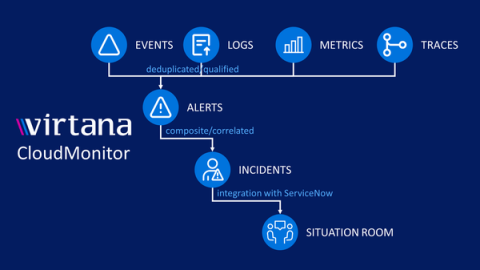
Events vs. Alerts vs. Incidents

Event. Alert. Incident. These terms are bandied about, often interchangeably, in IT operations management. Broadly speaking, they all refer to situations where something is potentially amiss and needs to be investigated and resolved. Each of these three words does, however, have a distinct definition. Because they are used in scenarios where clear communication and timeliness are critical, it’s important to understand the differences and use them appropriately.
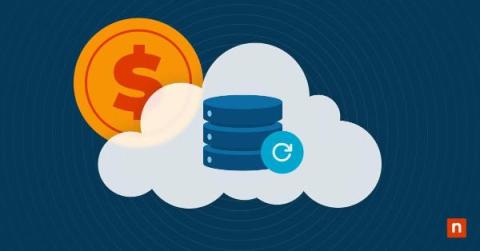
How Much Does Cloud Backup Software Cost?

Cloud backup solutions are characterized by diverse offerings, each with its own set of features, security measures, and pricing schemes. Our analysis will dissect the various components that constitute the cost of utilizing these services, ranging from storage and bandwidth fees to data transfer and retrieval expenses.

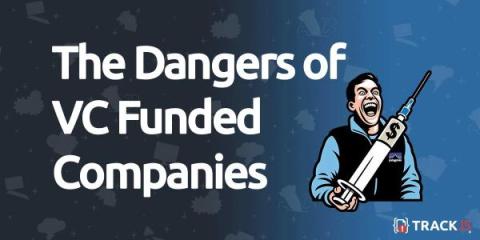
The Dangers of Using VC Funded Companies

TrackJS started ten years ago. To date, the only funding TrackJS ever received was the initial founder investment of $4,500 dollars (a whopping $1,500 per founder). Today, you’d call us a “bootstrapped” business. We’re proud of that fact. It means there’s no outside investors. No one to make us build a product we don’t want to build. And no one that can pull the plug if the growth chart doesn’t look like a hockey stick.

Hyperscalers: Reshaping the Optical Transport Market - And Telcos are Getting the Picture

Hyperscalers are driving the shape of new metro optical networks – literally. AWS, Microsoft and Google have reshaped data center to data center connectivity over the years and now, as they populate their data centers with telecoms equipment, they are deploying it in higher density, with a better power utilization than telcos get. This is because they are not depth constrained so can go up to 600 millimeters deep unlike the standard telco 300mm hard limitation.

How IDPs support Fintech compliance initiatives

From the Regulatory Lead to the Site Reliability Engineers (SREs) and development team, there are quite a few individuals involved in keeping a Financial Technology (FinTech) company compliant. And there are quite a few regulations to stay in line with: anti-money laundering (AML), know your customer (KYC), payment card industry data security standard (PCI DSS), the list goes on.

Discover the Untapped Power of AI in Predicting Correlations Before It's Too Late!

Your device pings, signaling another tech alert. Before you can address it, two more chime in. We all know the feeling. In today’s digital world, it’s easy to feel overwhelmed by the sheer number of notifications we receive. But what if there was a smarter way to handle them?

What is a Platform Engineer? Platform Engineer Job Description, Role + Responsibilities

The definition of a platform engineer can be slippery. Ask several IT professionals “What does a platform engineer do?” and you might get several different answers. One platform engineer might be at the intersection of DevOps, AppSec, architecture, and SRE, while another might broadly support infrastructure for all developers in their organization. (Sometimes, in less successful teams, they’re essentially a DevOps engineer with a fancy title.)

The Internal Developer Platform Revolution: A CTO's Guide to Transforming Software Development

As a CTO, you need to come up with new strategies and tools to ensure that your company manages the rapidly changing world of software development. Platform Engineering and Internal Developer Platforms (IDPs) have become essential elements of this journey that change how software is developed and released.