Operations | Monitoring | ITSM | DevOps | Cloud

The latest News and Information on DevOps, CI/CD, Automation and related technologies.

Teneo Managed DEX: How to Resolve Microsoft Teams Issues Faster

See how Teneo Managed DEX helps IT teams identify and resolve Microsoft Teams issues faster, often before they become another service desk ticket. In this Managed DEX example, Teneo shows how Digital Employee Experience (DEX) monitoring and automated remediation can help detect a Microsoft Teams problem, take action and get the employee back to work faster. Teneo Managed DEX helps organizations.

CAASM in Action: Continuous Cyber Asset Management with Teneo & ThreatAware

See how Teneo’s CAASM solution, powered by ThreatAware, helps security teams continuously manage and monitor their cyber asset landscape. In this short demo, discover how ThreatAware makes it easier to create focused asset views, identify areas that need attention, and schedule reports to keep teams informed, helping turn cyber asset visibility into ongoing action. Teneo and ThreatAware bring your security data together to help you uncover gaps, improve cyber hygiene, and reduce risk across your attack surface.

Building AI SRE Agents, Part 2: Leave the Laptop, Earn Trust

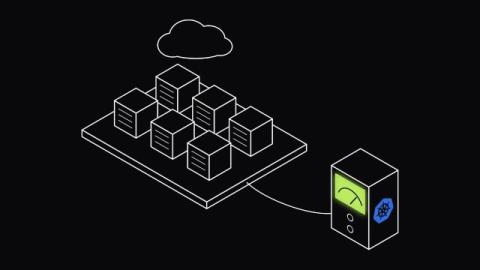
Moving the agent off your machine and pointing it at real clusters — read-only, in shadow mode — then climbing a trust ladder toward carefully scoped action. This is the second article in a three-part series on taking an AI SRE agent from a weekend experiment to enterprise production. Part 1 built a local agent on a throwaway cluster: read-only, propose-only, refined against a small eval set, with portable skills and no production write access.

Shipped: Explorer refresh: show more, scroll less

CloudZero Explorer answers a cost question in two parts. The chart shows what your spend did and the table underneath shows which service, account, or team did it. Until now, the chart pushed the table below the fold, and actions like creating a View or checking Anomalies were buried multiple clicks deep. Now the chart and table share the screen and a new right rail puts Favorites, Views, Anomalies and Insights one click away without covering your data.

Safer Kubernetes rollouts with minReadySeconds

Picture the scene: you’ve just deployed a rolling update to your service. Half of your pods are running the new version, they all passed their readiness checks, and Kubernetes terminated the old replicas. Suddenly, the new pods start throwing 503 errors. Thankfully, you still have pods on the old version, so you stop the update. If the rollout had been a little bit faster, you’d have an outage. This is the failure mode minReadySeconds exists to prevent.

MCP vs API: How they work together and when to use each

Summary: An API defines how software interacts with a service. MCP defines a standard way for AI applications to discover and invoke tools exposed by a service. They usually work together: an MCP server can sit in front of APIs you already run, turning low-level operations into capabilities an agent can find and use at runtime. Your API may already expose everything an AI agent needs. The harder problem is helping the agent figure out which operations matter for the task it has been given.

From Telemetry to Traffic

A metric says latency increased. A log says a request failed. A trace identifies the slow dependency. An APM agent points to the method. Manual instrumentation explains the business operation. Traffic capture shows the exact request and response that triggered it. Each layer answers a question the previous layer could not. Each also introduces a new cost, blind spot, and failure mode.

Reliability Engineering in the AI Era

Engineering leaders have been claiming to “shift quality left” for years but production remains stubbornly stuck out of reach of software engineers. The realm of production remains mysterious with tools no one has access to and UIs that wouldn’t make sense to engineers anyway. I’ve noticed a small but growing trend of large enterprises hiring Reliability Engineers instead of Site Reliability Engineers. Dropping one word looks cosmetic but I think it points to a much bigger change.