Operations | Monitoring | ITSM | DevOps | Cloud

The latest News and Information on DevOps, CI/CD, Automation and related technologies.

Walkthrough: Puppet System Hardening Assessment

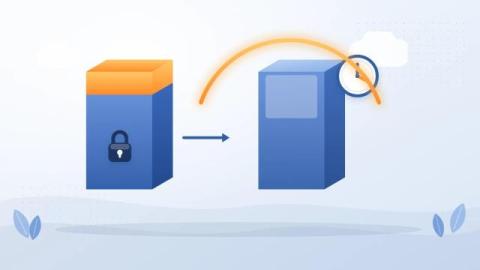
Is your infrastructure as secure as you think it is? In this walkthrough, see how aSystem Hardening Assessmenthelps organizations identify security gaps, uncover configuration risks, and prioritize remediation efforts across critical systems. You'll learn how teams can evaluate their environment against security best practices, gain visibility into potential vulnerabilities, and take actionable steps to strengthen their overall security posture.

ACP vs MCP: What's the difference for agentic coding?

An AI coding agent holds many conversations at once. Not only is the user prompting it, the agent also talks to the IDE, showing diffs and asking before it touches a file. At the same time it talks to tools, pulling a failing build or querying a database. Two open protocols standardize those conversations. This guide compares ACP vs MCP in practical terms: what each protocol does and when each applies. ACP (Agent Client Protocol) connects a code editor to an AI coding agent.

To learn and improve, we cannot be afraid to fail

“Deployment stress doesn’t just come from high-profile public outages. It often starts much earlier, when a fear of failure seeps into team culture.” Rob Richardson, Software Craftsman Rob certainly knows the stress and embarrassment of public deployment failures. "But overall" he reflects, "I’ve had more stress in my career from internal failures.

Cloud repatriation strategies: From public dependency to hybrid flexibility

The phrase "cloud first" dominated IT strategy for the better part of a decade. It was gospel, practically unchallengeable, and for a lot of organizations, it was the right call. But something shifted between 2024 and 2026, and it shifted fast. Bills stopped being defensible. Vendor pricing imploded. Sovereignty stopped being a compliance checkbox and became a procurement requirement.

OpenAI API cost calculator: estimate your GPT spend before it estimates you

This OpenAI API cost calculator (also an AI inference calculator for o3/o4-mini thinking tokens) estimates your monthly OpenAI API pricing bill from three inputs: model, request volume, and average tokens per request. Toggle between standard, batch, and cached pricing and get your number in seconds. It also shows what the same workload costs on Claude and Gemini. For the full per-model rate card, see CloudZero's OpenAI API pricing guide.

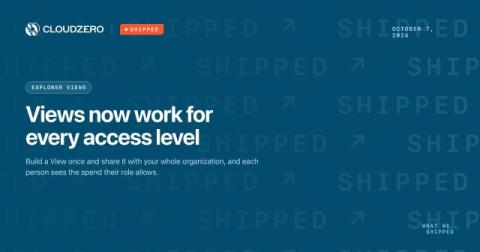
Shipped: The Fastly spend that was hiding in plain sight

CDN and edge spend is easy to lose track of. Fastly bills on its own, off to the side of your cloud invoice – real money, often significant, sitting where none of your cost tooling reaches. So it stays its own island: a lump sum with no easy way to tie it back to the teams, products, and customers driving the traffic.

AI Summary Agent in Turbo360

Handed over an Azure integration environment you've never seen before? Turbo360's AI Resource Summary agent gives any support operator or engineer an instant plain-English overview of what a resource is, how it behaves, and what to watch out for - without needing to ask the developers. In this demo: Great for: IT operations teams, MSP NOCs, cloud support engineers, and anyone responsible for running integration workloads they didn't build.

Prepare for the EU AI Act with Harness AI Security | Harness Blog

Harness AI Security provides a unified control plane for AI discovery, risk visibility, and runtime protection, helping organizations operationalize key requirements of the EU AI Act. Instead of relying on manual audits or fragmented tooling, teams get continuous insight into how AI systems are built, exposed, and used, along with the evidence needed to demonstrate compliance.

Why Modern Data Centers Require Better Insulation Strategies for Continuous Uptime

From streaming platforms to banking networks, today's digital demands rest on advanced facilities that operate without pause. With companies relying heavily on constant connectivity, stability within these environments matters more than ever before. A short disruption might result not only in monetary setbacks but also slower workflows and weakened confidence among users. Although computing hardware, climate controls, and emergency energy sources typically dominate discussions, protective layering quietly contributes just as much to seamless performance.