Zadara and Green Mountain Announce Technology Partnership to Accelerate Edge Cloud Adoption in the Nordic Market
Green Mountain to host Zadara's flexible STaaS and CaaS solutions throughout Norway.


The latest News and Information on DevOps, CI/CD, Automation and related technologies.
As platform engineering continues to rise in popularity, there is a new side effect to watch out for: the people using the internal developer platforms aren't the people who built it. They’re not necessarily familiar with the codebase, they may not know what's powering it behind the scenes – and the platform might even have to contend with malicious users. So how is Puppet evolving to contend with this new challenge?
As a solutions engineer for FireHydrant, I speak with a wide variety of companies about their incident management programs — from start-ups with a handful of employees to large enterprise companies with thousands of engineers. Whether they’re looking to establish their incident management program or mature it, the same questions remain.
Monitoring is an integral part of most organizations. The monitoring process usually consists of several tools that, combined, show you information about whatever you're monitoring - applications, infrastructure, networks and so forth. While monitoring may seem like an obvious practice to some, it can be challenging to establish the best monitoring strategy for your organization.
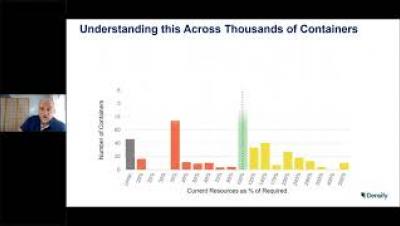
Containers have fast become one of the most efficient ways of virtually deploying applications, offering more agility than a virtual machine (VM) can typically provide. Both containers and VMs are great tools for managing resources and application deployment, but what is the difference between the two, and how do we manage containers?