The latest News and Information on DevOps, CI/CD, Automation and related technologies.
Technological advancements in telecommunications are keeping everyone on their toes, as communication service providers (CSPs) obsess over the next big thing to roll out and change the way the world communicates, stays informed, manages its daily lives, and more.
When people think about reliability, it’s easy to focus on incident response and moving fast to fix outages. This reactive approach to reliability can very quickly lead to burnout as you bounce from incident to incident. But that’s not the only way to think about reliability.
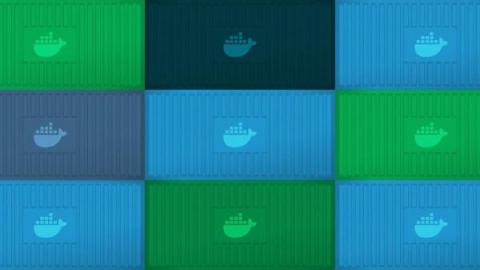
A Docker container is a portable software package that holds an application’s code, necessary dependencies, and environment settings in a lightweight, standalone, and easily runnable form. When running an application in Docker, you might need to perform some analysis or troubleshooting to diagnose and fix errors. Rather than recreating the environment and testing it separately, it is often easier to SSH into the Docker container to check on its health.
Multi-cloud seems like an obvious path for most organizations, but what isn’t obvious is how to implement it, especially with a DevOps centric approach. For Cycle users, multi-cloud is just something they do. It’s a native part of the platform and a standardized experience that has led to 70+% of our users consuming infrastructure from more than 1 provider.