The latest News and Information on DevOps, CI/CD, Automation and related technologies.
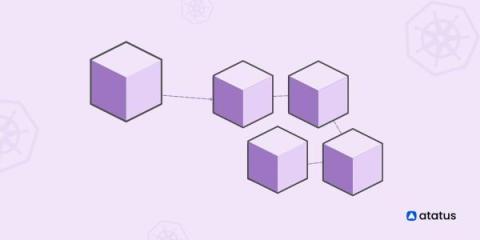
Kubernetes has become the de facto standard for container orchestration, offering powerful features for managing and scaling containerized applications. In this guide, we will explore the various aspects of Kubernetes scaling and explain how to effectively scale your applications using Kubernetes. From understanding the scaling concepts to practical implementation techniques, this guide aims to equip you with the knowledge to leverage Kubernetes scaling capabilities efficiently.
Containers have gained significant popularity due to their ability to isolate applications from the diverse computing environments they operate in. They offer developers a streamlined approach, enabling them to concentrate on the core application logic and its associated dependencies, all encapsulated within a unified unit.
Artificial intelligence (AI) won’t fade anytime soon, and since Generative AI (genAI) joined the party in Nov. 2022, innovative business strategies will only get louder. The not-so-fun part of AI and genAI’s growth shows up when businesses resist change and the adoption of emerging technologies. But the truth is – business leaders must step up.
Memory (or RAM, short for random-access memory) is a finite and critical computing resource. The amount of RAM in a system dictates the number and complexity of processes that can run on the system, and running out of RAM can cause significant problems, including: This problem can be mitigated using clustered platforms like Kubernetes, where you can add or remove RAM capacity by adding or removing nodes on-demand.