Operations | Monitoring | ITSM | DevOps | Cloud

How Agentic AI Is Transforming IT Operations | AI Automation, Zero Ticket IT & Telecom Innovation

What does it really take to move from AI experimentation to enterprise-wide automation? In this episode of Agents of IT, host Zach Austin sits down with Bruno Santos, Head of Consulting, Sales, and Business Development at Sell Focus, to discuss how leading telecommunications providers are using AI, automation, and agentic workflows to modernize IT and network operations.

Why Enterprise AI Pilots Fail and How to Move to Production | Bruno Santos

Why do so many enterprise AI initiatives stall after the pilot phase? In this Agents of IT Short, Bruno Santos of Sell Focus shares why successful AI adoption starts with solving real business problems, not chasing the latest technology. Learn how IT leaders can scale AI, accelerate automation, and move toward autonomous operations.

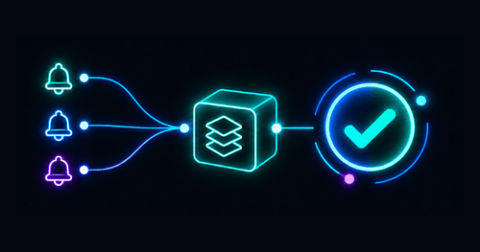
Workflow Orchestration for IT Operations: Why Cross-Domain Functionality Matters

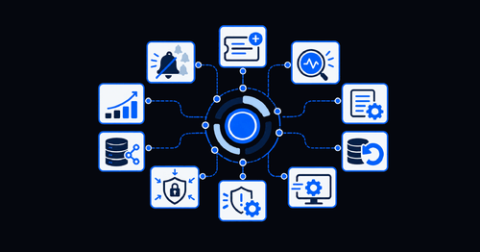
Enterprise IT work rarely stays inside one tool anymore, does it? A service request may start in an ITSM platform, require approval in a collaboration tool, trigger an identity change, update a system of record, and notify an employee when the work is complete. Likewise, an infrastructure incident may begin with a monitoring alert, require diagnostic checks, involve cloud or network systems, and end with validation, documentation, and escalation if remediation fails.

Can a T-Shirt Fool AI? Why AI Guardrails Matter for IT | Zero Ticket Minute

Can AI be influenced by something as simple as a T-shirt? New research suggests irrelevant context can affect how some AI models respond. In this Zero Ticket Minute, Ian explains why AI guardrails matter and what IT leaders should consider as they adopt agentic AI and autonomous operations.

Dynamic MCP Server Demo | Connect Claude to Enterprise Automation in Minutes

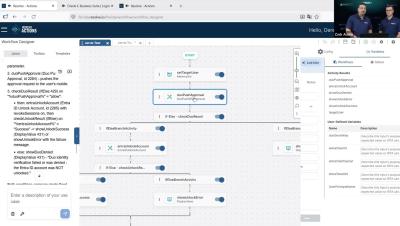
See how the new Dynamic MCP Server in Resolve Actions Pro 8.1 lets AI assistants like Claude discover and execute approved Resolve runbooks through the Model Context Protocol (MCP). Watch enterprise automation happen in real time with secure, auditable execution.

How to Test IT Workflows for Enterprise Workflow Automation

Enterprise workflow automation can deliver faster resolution and ultimately more time back for IT teams. But not every workflow is ready to automate on day one, is it? This is where many automation programs stumble. Teams often start with signals like the most visible problem or the workflow that creates the most frustration. These are useful signals, but they’re not enough on their own. The best automation candidates are usually repeatable, measurable, and have clear inputs and outputs.

AI-Powered Ransomware Is Here: How Agentic AI Is Changing Cybersecurity

AI-powered ransomware is becoming a reality. Researchers recently demonstrated autonomous AI agents that can scout networks, steal credentials, and accelerate ransomware attacks. In this 60-second Zero Ticket Minute, learn what this means for cybersecurity, IT operations, and the future of agentic AI. Can AI also help stop these attacks? Watch to find out.

Dynamic MCP Server Demo | Connect AI Agents to Enterprise Automation with Resolve Actions Pro 8.1

Learn how to create and deploy a Dynamic MCP Server in Resolve Actions Pro 8.1 and securely expose enterprise automation to AI assistants using the Model Context Protocol (MCP). In this walkthrough, you'll see how to configure an MCP server, publish automation runbooks, connect to Claude Desktop, and execute enterprise workflows directly from an AI assistant. With Dynamic MCP Servers, organizations can make existing automation instantly accessible to AI agents without rebuilding workflows.

Agentic Automation vs. Process Automation: What's the Difference?

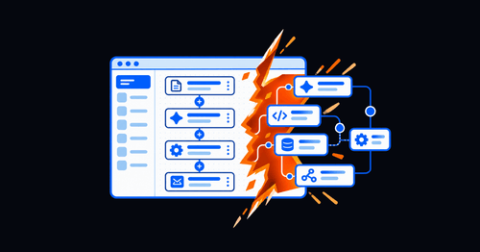
Automation has always promised the same basic things: less work, faster resolution, and more consistency. What has changed is how much judgment automation can now apply before work begins. Traditional process automation is excellent at executing known steps. Agentic automation, though, adds a new layer: AI systems that can decide which action or workflow should happen next. That difference matters a whole lot.