Operations | Monitoring | ITSM | DevOps | Cloud


The latest News and Information on Log Management, Log Analytics and related technologies.


Monitoring Elastic Cloud deployment logs and metrics
The ability to monitor your Elastic Cloud deployment is critical for helping ensure its health, performance, and security. Our Elastic Observability solution provides unified visibility across your entire ecosystem — including your Elastic Cloud deployments. Elastic Observability allows you to bring your logs, metrics, and APM traces together at scale in a single stack so you can monitor and react to events happening anywhere in your environment.

Is your logging ready for the future?
Log scaling is something that should be top of mind for organizations seeking to future-proof their logging solutions. Logging requirements will grow through use, particularly if not maintained or utilized effectively. There are barriers to successful log scaling, and in this post we’ll be discussing storage volume problems; increased load on the ELK stack, the amount of ‘noise’ generated by a growing ELK stack, and the pains of managing burgeoning clusters of nodes.

Monitoring Jenkins: Essential Jenkins Logs to Watch Out For
Monitoring Jenkins is a serious challenge. Logging is often overlooked, but it provides a wealth of information about the health of your Jenkins instance. The following are some approaches to generating informative logging to these issues, that can help to monitor and provide suitable explanations of where the problems lie; even identifying what the possible solutions are.
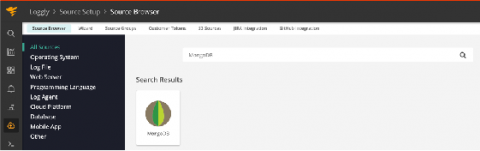
Using SolarWinds Loggly With MongoDB New Structured Logs
Developing a Dedicated Log Collection & Management Plan
When it comes to your network and server processes, one of the key ways your IT team will collect data and insight is through event logging. Collecting the right event data will help inform both essential processes and services, as well as your network security measures, which is why having the proper collection plan in place is key. At Pandora FMS, we offer a host of comprehensive log collection and network monitoring solutions designed to be easily customized.
How Long Should You Hang Onto Your Data?
One of the most common questions that businesses operating under GDPR, LGPD or other similar data regulations have is how long should you keep data? As answers to this question typically seem to vary widely to clear up confusion, we’ve gathered insights from business leaders & specialists across a variety of industries to try and answer this question and shed light on what are reasonable timeframes to keep hold of data, whether that may be financial, employee or other potentially sensitive data.

Detecting Google Cloud Platform OAuth Token Abuse Using Splunk
In a recent post by the Splunk Threat Research team, we addressed permanent and temporary token/credential abuse in AWS and how to mitigate credential exposure. With 94% of Enterprises using a cloud service, and some using at least five different cloud platforms, it’s imperative to stay ahead of threats across multicloud environments. Let’s now turn our attention to Google Cloud Platform (GCP) and how to detect and mitigate OAuth Token Abuse.

Elastic Contributor Program: How to submit and validate a contribution
Last month we launched the Elastic Contributor Program to recognize and reward the hard work of our awesome contributors, encourage knowledge sharing within the Elastic community, and build friendly competition around contributions. But how do you start contributing? In this blog post, we’ll walk through how to log in to the Elastic Contributor Program portal and set up your profile so you can begin submitting your own contributions and validating others’ contributions!