Operations | Monitoring | ITSM | DevOps | Cloud

The latest News and Information on Incident Management, On-Call, Incident Response and related technologies.

Deliver Better Customer Experiences with PagerDuty for Customer Service

Want to deliver better customer experiences and meet your SLAs? PagerDuty for Customer Service Operations helps organizations connect the right teams at the right time, address urgent tickets, efficiently scale their 24-7 customer support model, and enhance cross-functional collaboration.

The Unplanned Show, Ep. 29: Major Incident Management with Davis and Chris

Not all incidents are created equal. How do you handle major incidents so that they don't spiral into a chaotic mess, incinerating productivity across too many teams? How do you prevent major incidents and learn from the ones you've had? "Major Incident Management" has been a practice for a long time, but as companies depend even more on digital services and revenue channels, while trying to do more with the same or less, something has to change.

Negotiating Priorities Around Incident Investigations

There are countless challenges around incident investigations and reports. Aside from sensitive situations revolving around blame and corrections, tricky problems come up when having discussions with multiple stakeholders. The problems I’ll explore in this blog—from the SRE perspective—are about time pressures (when to ship the investigation) and the type of report people expect.

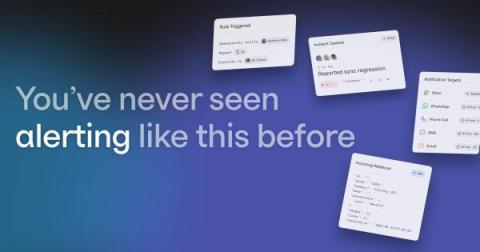
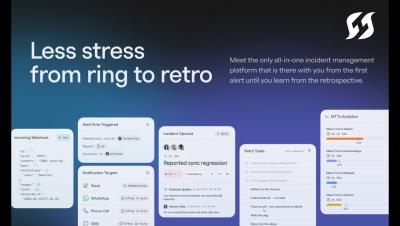
Finally: alerting and on-call scheduling for how you actually work

TL;DR You deserve a better alerting and on-call tool. So we built Signals. In our early days, we often used the tagline, “You just got paged. Now what?” It encapsulated how FireHydrant solved for all of the messy bits that come after your alert is fired, from incident declaration all the way through to retrospective. At the time, we saw alerting and on-call scheduling as a solved problem.

Integrating Prometheus AlertManager with PagerDuty in Calico

In the fast-paced world of Kubernetes, guaranteeing optimal performance and reliability of underlying infrastructure is crucial, such as container and Kubernetes networking. One key aspect of achieving this is by effectively managing alerts and notifications. This blog post emphasizes the significance of configuring alerts in a Kubernetes environment, particularly for Calico Enterprise and Cloud, which provides Kubernetes workload networking, security, and observability.

Start Monitoring Third-Party Outages in Opsgenie

In today's digital world, we rely a lot on third-party services. These services are great because they help us grow, be more flexible, and work more efficiently. However, they also make things more complicated and risky. If a service we depend on stops working, it can cause big problems. To deal with this, we're excited to introduce a new feature that connects Opsgenie with IsDown.

Joe's Triumph with an Alert Fatigue Solution

In the fast-paced world of operations management, every alert bears weight, and Joe’s team found themselves caught in a relentless stream of notifications. The challenge they faced was alert fatigue – a persistent obstacle that blurred the lines between critical incidents and routine matters. As the head of operations, Joe navigated through this influx of alerts, ranging from urgent server issues demanding immediate attention to routine notifications like a failed login.

The Unplanned Show, Episode 27: GovTech and platforms with Bryon Kroger

How do highly regulated and bureaucratic organizations become more innovative to meet the needs of customers, citizens, and warfighters? We'll hear a perspective from Bryon Kroger on leading transformational change and the power of platforms in some of the most security-sensitive government agencies. Here are some of the resources mentioned in the interview.