Operations | Monitoring | ITSM | DevOps | Cloud

The Place Where Modern Operations & Technology Come Together

The latest News and Information on Incident Management, On-Call, Incident Response and related technologies.



Get started with BigPanda Open Integration Manager
In today’s fast-paced digital landscape, effectively managing alerts and deriving actionable insights from data is crucial for organizational success. BigPanda’s platform stands out as a comprehensive solution designed to tackle these challenges head-on, offering a suite of features that streamline alert management and drive operational efficiency.
Recent Outage of Meta and Google Ads: How to Prevent Potential Loses
On Tuesday, March 5th, Facebook, Instagram and Google Ads experienced widespread outages that lasted for nearly two hours, affecting thousands of users worldwide. More than 550,000 reports poured in from Facebook users, and Instagram received 92,000 similar complaints, as reported by Reuters. As Meta stated on their newest platform, Threads: ”Earlier today, a technical issue caused people to have difficulty accessing some of our services.

3 questions to ask of any DevOps tool in 2024
Is your DevOps tool stack out of control? I feel like every day, I talk to someone who feels this pain. The technological golden age of the past few years created a lot of niche tools, but now that CFOs and boards alike are demanding budget restraint, many of these tools are being scrutinized. The reality of the situation is that it’s not good enough for a tool to do one thing anymore.

5 Easy Ways to Reduce Work-Related Stress for SRE Professionals
It's completely normal to feel a little overwhelmed and stressed out at work these days. Technology has collaboration moving at the speed of light, and time away from screens is at an all-time low, blurring the lines between work and personal time. Plus, it's hard to ignore the multitude of tech outages that have been making headlines lately, leaving teams anxiously on edge. When you are a professional with on-call cycles, the potential of outages adds another level of complexity to the mix.

We've launched incident.io On-call
It’s 3am. You wake up to a blaring alarm, the sound burned into your soul from countless sleepless nights. You reach for your phone, ‘press 4 to acknowledge’ and bleary eyed, you open your laptop, grab a coffee and get to work. The next hour is a whirlwind—bringing services back online, keeping colleagues in the loop, maintaining a list of action items, updating a status page that will be seen by millions of customers. Potentially for the fifth time this month.
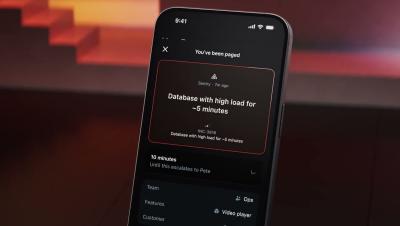
incident.io: On-call as it should be
We started with Response to help with coordination and communication, then we launched Status Pages to keep internal and external stakeholders up to date. Today, we’re delighted to announce the final piece of the puzzle: On-call.

The Debrief: Introducing incident.io On-call
This is on-call as it should be. The secret's out. The world can finally know. incident.io On-call is here. Naturally, a lot of you may be wondering: why and why now. So to help answer those questions, we sat down with Chris and Pete, two of our co-founders here at incident.io to get a bit of background on this project: This episode will not only get you excited about this huge week, it'll get you pumped for what's ahead for on-call.