Operations | Monitoring | ITSM | DevOps | Cloud

Five worthy reads: The interfused future of AI in cryptocurrencies

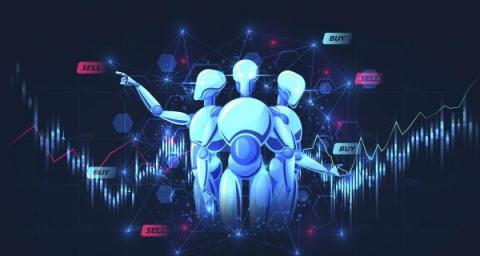
Five worthy reads is a regular column on five noteworthy items we have discovered while researching trending and timeless topics. This week, we explore the amalgamation of the rapidly evolving world of artificial intelligence (AI) in cryptocurrency. Designed by Dhanwant Kumar The world of cryptocurrency has come a long way since the introduction of Bitcoin in 2009. Today, there are thousands of cryptocurrencies available, each with unique features and scenarios.
The Future of Infrastructure Monitoring: Scalability, Automation, and AI

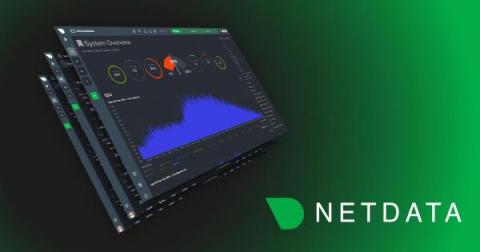
In this blog post, we will explore the importance of scalability, automation, and AI in the evolving landscape of infrastructure monitoring. We will examine how Netdata's innovative solution aligns with these emerging trends, and how it can empower organizations to effectively manage their modern IT infrastructure.

Top tips: How developers and ChatGPT can be best friends

People have been using ChatGPT for various reasons over the past few months. Though the results aren’t flawless, they are unquestionably impressive. Its usefulness has been particularly noticeable for repetitive and time-consuming tasks. However, people have become apprehensive about their job security, which has hindered their ability to fully utilize ChatGPT to their advantage.

AI in the public sector: practical applications and use cases

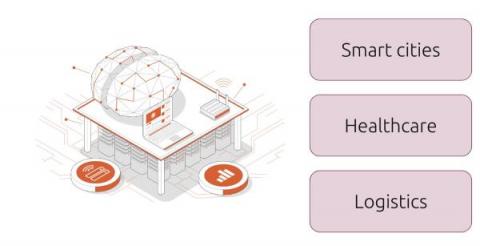
The public sector is investing heavily on artificial intelligence and machine learning initiatives. Deloitte AI Institute reported that 60% of government AI and data analytics investments aim to directly impact real-time operational decisions and outcomes by 2024. From automating redundant tasks to increasing the quality of services offered to citizens, public sector institutions have a wide range of applications where they could implement AI.

Before Enterprise AI Went Cloud-First, Gerev Bet on Local Search

Five months after ChatGPT entered the consumer market, one of the most urgent questions inside enterprise information-technology departments still has few settled answers: whether the new generation of large-language-model tools can be brought to bear on a company's internal documents, codebases, and chat archives, and what that means for the company's data-security posture. The default answer from the venture-backed entrants in workplace AI has been: yes, in our cloud.

Understanding AI security for your organization

While organizations are quickly adopting AI to automate tasks and improve operations, it’s important to consider the security risks associated with integrating AI into your company’s processes and software. AI not only brings an opportunity to increase efficiency but also introduces additional risks to your organization if not used responsibly — just like a recent example from Samsung has shown.

AI and the skills of the future

Every day seems to bring another headline about how AI is changing the world. In the workplace, AI-enabled technologies will create a profound shift in the jobs we do and how we do them. To gain insight into this shift, ServiceNow commissioned research on how AI will affect the skills of the future. We asked our research partner Pearson to take a deep dive into six markets—U.S., UK, Germany, Australia, Japan, and India—to identify key job skills people will need five years from now.

Unleash the possibilities of generative AI with ServiceNow

In today’s economic headwinds, organizations are looking for ways to make workers more productive and drive operational efficiency. Generative AI—where machines “understand” human language and respond to and act on it—can make that happen. That's why I’m excited to announce ServiceNow® Generative AI Controller and Now Assist for Search.

What Can Network Automation Do for You?

You probably have been hearing a lot about automation and artificial intelligence (AI) these days, with a vision of some kind of AI-driven world that will take all of our jobs away. The reality is that there’s always too much work to do. AI and automation are more likely to help people get their jobs done more efficiently rather than take them away. Basic automation can have large returns for the network – and improve the quality of work.