
Operations | Monitoring | ITSM | DevOps | Cloud

Bringing Delta to the web with GPUI | Ubuntu Summit 26.10

How do you ensure everyone – even stakeholders that will never install a developer tool – can access your coding application? Enter Delta, Zed’s new product. Delta is built on DeltaDB, a Conflict-free Replicated Data Type (CRDT) based database that keeps your code, conversations, and agent work in one shared place. That context only helps if everyone can reach it, including Product Managers, designers, and reviewers.
How to Test a Google Pub/Sub Subscriber

A Google Pub/Sub publish can succeed while the worker that processes it is falling behind. A unit test that calls your handler with one JSON object can check the business logic, but it skips the part where the worker has to nack a delivery, see it again, and acknowledge it with a fresh ack ID. This walkthrough uses the Go order worker in mock-lab’s gRPC lab.

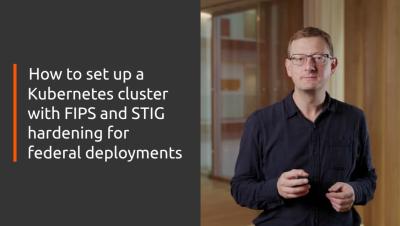
Building secure Kubernetes infrastructure for federal workloads

Follow a practical demonstration of deploying FIPS-enabled and STIG-hardened Kubernetes on an Ubuntu host and building minimal container images. In this video, discover how Canonical brings together Ubuntu Pro, Canonical Kubernetes, Rockcraft, and Chisel to support security and compliance requirements across the entire cloud-native stack – from the host operating system to Kubernetes and container workloads.

What Is Code Context? How Rovo Searches Code Across Your Repos

Code context is the part of the Atlassian Teamwork Graph that understands your source code itself, your functions, symbols and classes, not just the repositories, branches and pull requests around it. It means you can describe what code does in plain language and get back the specific code that answers you, across every connected GitHub and Bitbucket repository.

How to Find Which Files and Tests a Cross-Repo Change Affects

Before you change code that crosses a service boundary, you can ask which files on each side you'd need to inspect and which tests cover them, without cloning either repository. Asking for the tests up front is what turns "I understand this feature" into an estimate you can give in standup.

How to Trace a Feature Across Two Repos Without Cloning Them

You can trace a feature across two repositories without cloning either one. Because the Atlassian Teamwork Graph has a semantic understanding of your source code, you can describe a behaviour, "where does the data this UI displays come from" - name the repositories involved, and get back the actual request path with the code linked, even in a repo you have never checked out.