Observability: Superpowers for Developers - Christine Yen, Monitorama PDX 2019
Christine Yen, CEO | co-founder of Honeycomb.io speaks at Monitorama. How does Observability take Developers to the next level and ease debugging woes?


Logs have been around since the advent of computers and have probably not changed all too much since. What has changed, however, are the applications and systems generating them. Modern architectures — i.e. software and the infrastructure they are deployed on, have undergone vast changes over the past decade or so with the move to cloud computing and distributed environments.
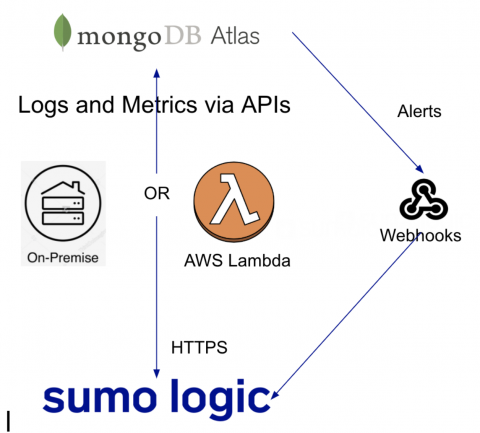
We're happy to announce that the MongoDB Atlas app is now available in the Sumo Logic app catalog. MongoDB Atlas is a globally distributed cloud database service and the easiest way to run MongoDB in the cloud. Atlas offers best-in-class automation, built-in security controls, and proven best practices to protect your data and scale your applications.
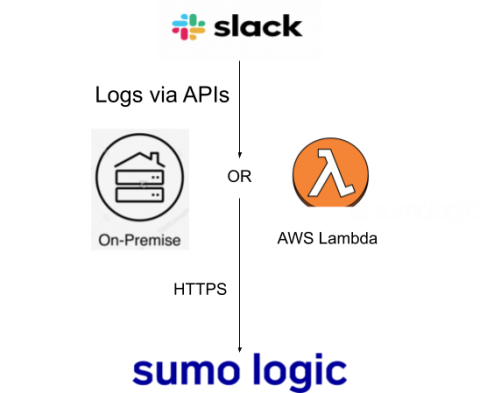
Slack is a popular cloud-based set of software tools and online services that provides for secure collaboration across teams, departments, offices, and countries. We are happy to announce support for monitoring Slack workspaces with the new Sumo Logic app for Slack.
As a continuation of our latest innovations announcement at Illuminate, I want to take this time to announce a few other innovations we made in the past few months that allow our customers to maximize the use of our Continuous Intelligence platform to help them accelerate their pace of innovation and differentiate the services they deliver to their customers.
Earlier today, LogDNA was named a Rising Star in connection with the Forbes 2019 Cloud 100 list. The list, which is published annually by Forbes in partnership with Bessemer Venture Partners and Salesforce Ventures, is their assessment of the top 100 private cloud companies in the world. Wow. It’s incredible to write that.
Elasticsearch is a powerful distributed search engine that has, over the years, grown into a more general-purpose NoSQL storage and analytics tool. The recent release of Elasticsearch 7 added many improvements to the way Elasticsearch works. It also formalized support for various applications including machine learning, security information and event management (SIEM), and maps, among others, through a revamped Kibana.