Mailchimp
Not subscribed to OpsMatters Newsletter


One of the biggest software development shifts of the past decade has been the emergence of the DevOps movement. There is a growing demand for DevOps Engineers, and organizations that have embraced DevOps practices are becoming more efficient in iterating through service delivery.
In a world where consumer-level computing technology has been largely dominated by Windows, many users remain unaware of the need for administrators to configure and maintain network hardware and environments based on the Linux operating system. But Linux in its various distributions and the Unix operating system from which they derive have for decades provided the backbone for the core systems that make consumer-level computing and indeed many aspects of daily life possible.
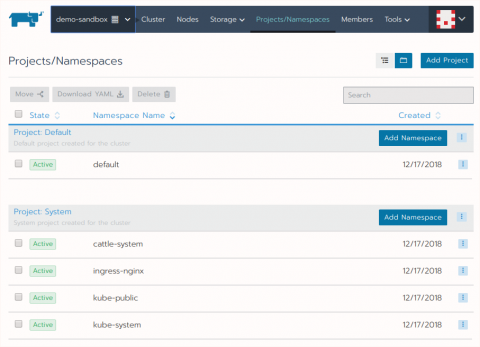
Kubernetes clusters can manage large numbers of unrelated workloads concurrently and organizations often choose to deploy projects created by separate teams to shared clusters. Even with relatively light use, the number of deployed objects can quickly become unmanageable, slowing down operational responsiveness and increasing the chance of dangerous mistakes.
Today, we are excited to announce PagerTree now officially supports Broadcast Responses! With PagerTree’s Mass Notification System (MNS) your organization will be prepared to easily communicate with speed and reliability during critical events.
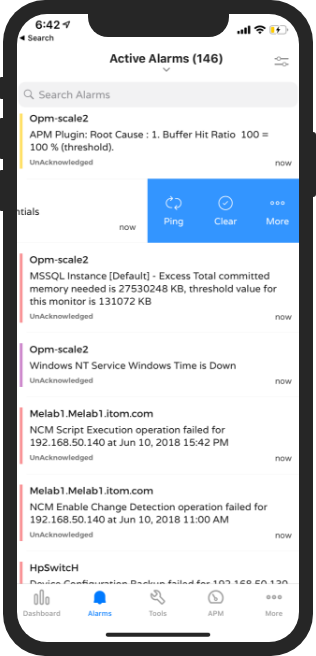
The secret to exceptional network management is periodically identifying and diagnosing network problems. Putting your experts at the network operations center (NOC) all day watching for a device to go down isn’t the best use of your workforce’s time. There has to be a smarter way to view potential network pitfalls without being glued to the chair in your NOC.