Mailchimp
Not subscribed to OpsMatters Newsletter


Do you like gems? Perfectly cut diamonds? Crystal clear structures of superior beauty? You do? Then join me on a 10 minute read about a quest for hidden gems in your data: graphs! Be warned, it is going to be a mysterious journey into data philosophy. But you will be rewarded with artifacts that you can use to start your gemstone mining journey today.
If you're a cybersecurity leader with decades of experience in the industry, I am sure you've helped your organization navigate major security issues related to remote working. Technology has evolved drastically across the decades, with new attack surfaces emerging with each shift.
As everyone is taking proactive measures to stay healthy, organizations are increasingly having their employees work from home. At Splunk, we are focused on bringing data to every question, decision and action — and remote work for us equals Zoom for online meetings and workspaces. As our customers use Splunk for real-time data processing and analytics, they use our Splunk Mobile App (Android, iOS) when they need to take their dashboards on the go.
February kicked 2020 off with a terrifying glimpse into what happens when the Internet of Things stops Internetting things. If we consider our central question this year of uptime in the age of always-connected, then we start to see the impact of hidden failures. All the stuff we don’t know we know impacts the end-user. Someone forgets to renew a TLS certificate, half the business world can’t collaborate. Someone else flubs an update?
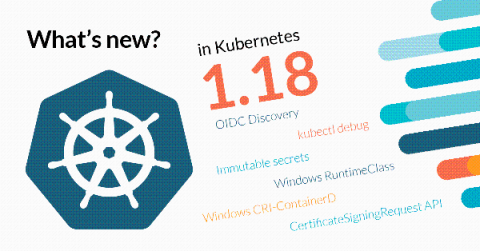
Kubernetes 1.18 is about to be released! After the small release that was 1.17, 1.18 comes strong and packed with novelties. Where do we begin? There are new features, like the OIDC discovery for the API server and the increased support for Windows nodes, that will have a big impact on the community. We are also happy to see how some features that have been on Alpha state for too long are now being reconsidered and prepared for the spotlight, like Ingress or the API Server Network Proxy.