Mailchimp
Not subscribed to OpsMatters Newsletter


Yesterday, FireEye published a report about a global intrusion campaign that utilized a backdoor planted in SolarWinds Orion. Attackers gained access to the download servers of Orion. They managed to infect signed installers downloaded by Orion users who had all reason to believe that the packages are safe and had not been tampered with. With this information out in the world, teams are scrambling to investigate if their environments are affected by this breach.
As I sit here writing this blog, I can’t believe how much things have changed. No more chats in the hall or booking a conference room. With this pandemic, everything is virtual. My laptop and mobile are my lifeline. They are the only way I can work. I know I’m not alone. How many of you are reading this blog at the kitchen table—or, if you’re lucky, in your home office? And I suspect it’s not going to change any time soon. If ever.
Reflect on 2020 and hear from ServiceNow leaders as they discuss some of the most significant trends of the year – from cybersecurity to customer and employee experiences – when the global health crisis is creating new realities for all of us. Take a fresh look at the trends shaping what’s next in the workplace. Industry Trends in Vulnerability Response with Dr. Larry Ponemon Today’s cybercriminals are tenacious, well‑funded, and smart.
Linux system monitoring is necessary to ensure uptime, indicate system resource usage, and show which apps are consuming what percentage of resources. Monitoring Linux thereby enables users to properly manage applications and ensure the system is in good health.
As we approach the end of an unpredictable year, it’s a good time to reflect on the ways data has made a positive impact. Data is helping stop human trafficking with Global Emancipation Network, connected relief resources during crises with NetHope, and saved lives during wildfires with Zonehaven. And with our powerful partner ecosystem, and the arrival of the Data Age, there is so much more we can accomplish together.
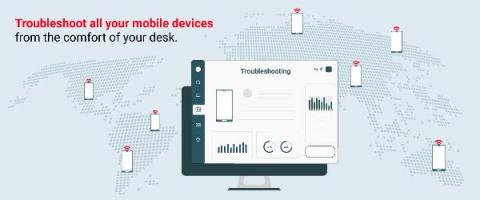
System administrators play a vital role in every organization’s IT department, and one of the key responsibilities they have is to troubleshoot employees’ devices in case of device issue or malfunction to prevent loss of productivity. With employees working from remote locations, especially now during the pandemic, troubleshooting can be challenging without the device being physically present.