Operations | Monitoring | ITSM | DevOps | Cloud

Feature Spotlight - Failsafe Devices

Incident notifications are always time sensitive, so it’s crucial that teams and resolvers are set up to receive them. When an alert is sent to a group you belong to that uses failsafe devices, you can still receive the notification even if you don’t have any devices with an active timeframe. You can choose which device is used as a failsafe, giving you an extra layer of reassurance that you’ll never miss an important notification when it matters.

Subaru Cars Have A Massive Security Vulnerability

Security researchers found a massive flaw in Subaru’s remote vehicle system—hackers could unlock and track cars easily. The culprit? Homemade authentication protocols. Lesson: Don’t DIY security. Use trusted, third-party solutions. What do you think Subaru should have done differently?

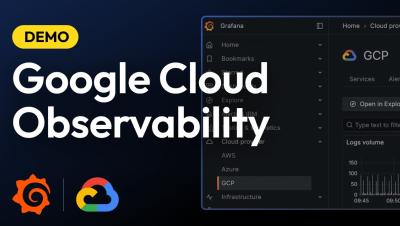
Observe Your Google Cloud Infrastructure | Demo: New Grafana Cloud Application | Grafana Labs

Want to monitor your Google Cloud infrastructure more effectively? Join Vasil Kaftandzhiev as he introduces Grafana Cloud’s new application designed specifically for Google Cloud observability. In this video, you'll discover how to: Optimize and troubleshoot your Google Cloud services Leverage out-of-the-box dashboards with key metrics and thresholds Set up comprehensive alerting for real-time incident response Streamline log management with an all-in-one logs view for faster root cause analysis Configure logs and metrics effortlessly using Grafana Alloy.

Role-based Access Control: Scaling Access Control for Enterprise Needs

Role-Based Access Control (RBAC) is the backbone of secure system design, offering a structured method to manage user permissions and reduce the risks associated with overprivileged access. For large enterprise systems, RBAC is essential to ensure compliance, maintain operational integrity, and enable fine-grained access control across multiple teams and projects.

From Datadog to Grafana Cloud: Why companies migrate and how it changes business for the better

“Impossibly expensive.”“Generic database metrics.”“Exceeding limits.”“No transparency.” These are the words our customers use to explain why they looked for a Datadog alternative and migrated onto Grafana Labs’ observability solutions. Grafana Cloud provided the scalability that LexisNexis Risk Solutions needed to migrate acquired companies into a unified observability platform. “We’ve had migrations from Datadog.

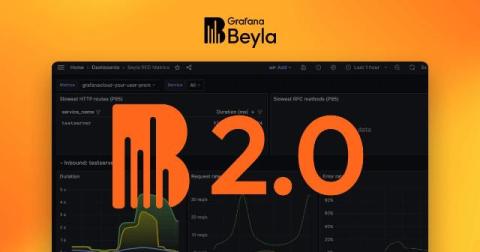
Grafana Beyla 2.0: distributed traces, scalable Kubernetes deployments, and more

In November 2023, we released Grafana Beyla 1.0, the first major milestone in our pursuit of zero-code (and zero-effort) eBPF instrumentation. We delivered a way — through a single command-line — to automatically instrument any application supporting HTTP/gRPC protocols, as well as provide basic network packet flow information.

New Relic vs Kibana: A Guide to Choosing the Right Tool in 2025

New Relic and Kibana are popular monitoring and observability tools that provide a wide range of features for analysing and visualizing data. In this post, I have compared New Relic and Kibana based on key aspects such as data ingestion, dashboards and visualizations, log management, alerting, pricing and more. Lets take a look at each tool's capabilities, strengths, and weaknesses to help you understand how they differ and which one is best suited to your needs.


Stop Logging the Request Body!

With more and more people adopting OpenTelemetry and specifically using the tracing signal, I’ve seen an uptick in people wanting to add the entire request and response body as an attribute. This isn’t ideal, as it wasn’t when people were logging the body as text logs. In this blog post, I’ll explain why this is a bad idea, what are the pitfalls, and more importantly, what you should do instead.