Operations | Monitoring | ITSM | DevOps | Cloud

What is Test-Driven Development?

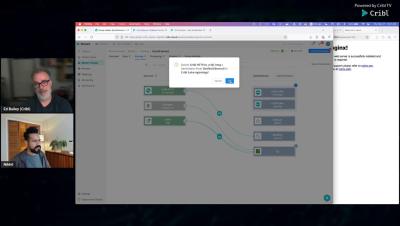
Test-Driven Development (TDD) is a software development methodology that helps engineers write reliable, maintainable code by starting with tests before writing implementation. In this video, we break down the core principles of TDD, how it improves software quality, and why it’s a game-changer for developers. If you’re looking to level up your development process and write better code with fewer bugs, this video is for you!


How to Use Network Visibility in Your Cyber Security Strategy

As organizations grow in size and complexity, their internal networks often become a “black hole” in terms of visibility. To keep these networks secure, this visibility needs to be managed, but time and budget seldom allow IT and cybersecurity professionals to gain actionable insights. N‑able’s VP, Product Management, Jim Waggoner and Head of Threat Research, Kevin O'Connor demystify network visibility and provide valuable takeaways you can implement today to mature your cybersecurity posture.

Everything You Need to Know About OpenTelemetry Agents

If you’re reading this, chances are you’re already familiar with OpenTelemetry (OTel)—the open-source standard for collecting observability data. But what about OpenTelemetry agents? How do they work, and why do they matter? This guide unpacks everything you need to know about OTel agents—where they fit in your stack, how to set them up, and common pitfalls to watch out for. Let’s get into it.

How to Effectively Monitor Nginx and Prevent Downtime

Nginx is widely known for its high performance and reliability. However, just like any software running in production, it requires continuous monitoring to ensure smooth operation. Issues such as high latency, unexpected crashes, or overwhelming traffic spikes can lead to performance degradation or even complete outages. Therefore, implementing a robust monitoring strategy is crucial to maintaining the health and stability of your Nginx deployment.

Troubleshooting Kubernetes deployment failures

Do you feel like you're solving a puzzle when deploying applications in Kubernetes? You are not alone in this! When something goes wrong during application deployment, it becomes all the more crucial to diagnose the issue methodically and get things back on track. This guide walks you through practical steps for troubleshooting deployment failures efficiently.

Monitoring for Kubernetes API server performance lags

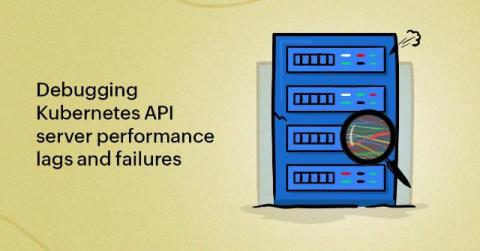
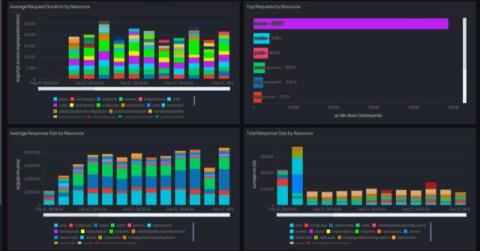
The Kubernetes API server is a key component in the control plane. Every interaction, whether deploying applications, scaling workloads, or monitoring system health, depends on the API server. Consider the human body: We have the brain as the critical organ, and the nerves function as the control system. The Kubernetes API server is like the nerve center of cluster management.

Handling persistent storage problems in Kubernetes clusters

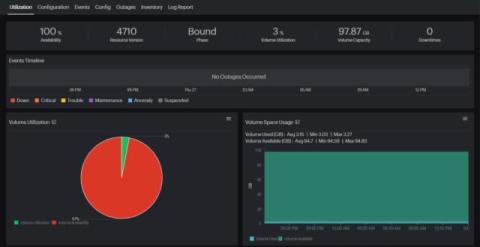
Persistent storage is the backbone of stateful applications running in Kubernetes. Whether you are managing databases, logs, or application states, ensuring transactional data remains intact despite pod restarts or node failures is a challenge. In this blog, we will discuss the most common persistent storage issues in Kubernetes and how to handle them with practical, real-world solutions.