Operations | Monitoring | ITSM | DevOps | Cloud

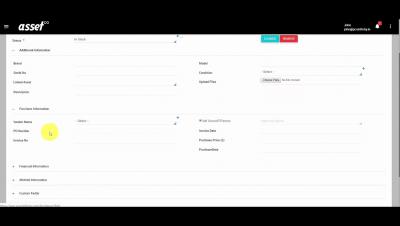
How to Add Assets in Asset Infinity

In this video, we will show you how to add an asset. Click on the add asset button on the homepage. Add asset form will open. Enter the required details of the asset. Such as - Asset name: Enter asset code or leave it blank to auto-generate. Asset code format can also be set under advanced settings. Asset category: Select a category for your asset from the drop-down list. Asset location: Add the location of the asset.
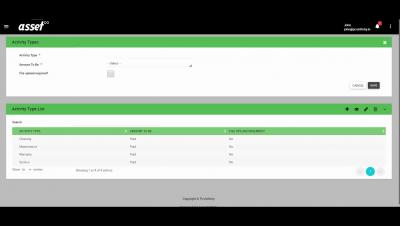
How to Schedule an Activity in Asset Infinity

In this video. We will show you how to schedule an activity in Asset Infinity. This feature can be used to schedule activities for preventive maintenance of assets. An activity can be scheduled with or without an asset. First, select the asset for which activity is required to be scheduled. Click on the schedule activity button present on the home page. Here, you can create single or multiple schedules for the selected assets.

How to Transfer an Asset in Asset Infinity

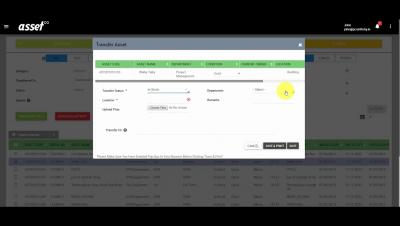
In this video, we will show you how to transfer an asset. This feature allows you to transfer single or multiple assets First, select the asset that needs to be transferred, further click on the transfer asset button. A pop-up form will open up with details of the asset such as asset code, name, department, current owner and condition will be displayed on top of the pop-up form. Now you should enter the transfer details. Select the transfer status like in use or in stock. The status options can be managed from application settings.

Serverless API with ReactJS

The article, Serverless API with ReactJS, was first published on the Serverless Guru website. Let’s build a Serverless REST API for our ReactJS website! In my last article, Deploy ReactJS App with S3 Static Hosting, we discussed hosting a simple React app on AWS with S3. This works great for simple static pages but what if you want to do something more? How do you host your API on S3?

Working Toward Service Level Objectives (SLOs), Part 1

In theory, Honeycomb is always up. Our servers run without hiccups, our user interface loads rapidly and is highly responsive, and our query engine is lightning fast. In practice, this isn’t always perfectly the case — and dedicated readers of this blog have learned about how we use those experiences to improve the product.

Weaveworks Combines Jaeger Tracing With Logs and Metrics for a Troubleshooting Swiss Army Knife

Founded in 2014, Weaveworks Inc. makes software that helps developers and DevOps teams build, run and manage containerized applications on Kubernetes. Its products include GitOps-based cluster management, and application delivery, observability and monitoring solutions for services running on Kubernetes. It is a founding member of the Cloud Native Computing Foundation.

Digital Enterprise Journal, 451 Research, and Gartner Highlight OpsRamp's Platform for Hybrid Infrastructure Monitoring and Service-Centric AIOps

The third quarter of 2019 has seen OpsRamp receive market recognition from three independent analyst firms, Digital Enterprise Journal, 451 Research, and Gartner. Leading media publications, DevOps Online News and ITOps Times, have also highlighted OpsRamp’s capabilities for DevOps and IT Operations Analytics.

Serverless Computing for Dummies: AWS vs. Azure vs. GCP

Serverless computing is the latest, greatest thing in the technology world. Although the serverless concept has been around in one form or another for more than a decade, the introduction of serverless platforms from major cloud providers—starting with AWS Lambda in 2014—has brought serverless mainstream for the first time.