In 2019, Cyber Defense Magazine named ManageEngine a Next Gen vendor in Unified Endpoint Management at IP EXPO in London, and then again at RSA Conference 2020 in San Francisco. Cyber Defense Magazine recognized ManageEngine in its 2020 InfoSec Awards for the features, capabilities, and value it delivers, along with its market presence.
In the last couple of posts we covered the various ways of connecting data sources to Azure Monitor Logs (Part 2: Getting Started, Part 3: Solutions), so by now we should have loads of data to play around with. The data we’ve collected so far is largely just a blob, and probably not very useful at this point. “Solutions” help with this, but the real fun part starts now: making sense of the data you have using the Kusto Query Language – better known as KQL.
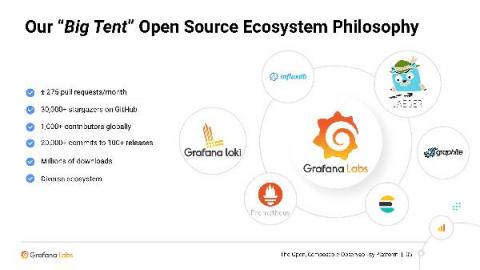
Grafana Labs cofounder and CEO Raj Dutt was a recent guest on the Designing Enterprise Platforms podcast from Early Adopter Research (EAR), speaking to host Dan Woods about the benefits of observability. The conversation touched on several related topics – including the tactics of observability, platform approaches, and why now is a great time to be part of an open source company.
As programmers we often have to mentally run code. To imagine how a program will behave given certain inputs. This is hard enough for experienced developers. But for juniors? It can seem impossible. In this article, Melissa Williams argues that pry is an invaluable tool for junior rubyists because it allows them to see exactly what is going on as their code is run.
Application performance is always a concern when building in the modern, competitive web and mobile space. At Scout, it’s why we created application performance monitoring tools in the first place. That said, there are steps you can take to build a more performant application. If you are using Ruby on Rails, caching might be one of the best tools on your belt to build a better application.