Operations | Monitoring | ITSM | DevOps | Cloud

How to Configure a Multicast Linux Network

In a world where consumer-level computing technology has been largely dominated by Windows, many users remain unaware of the need for administrators to configure and maintain network hardware and environments based on the Linux operating system. But Linux in its various distributions and the Unix operating system from which they derive have for decades provided the backbone for the core systems that make consumer-level computing and indeed many aspects of daily life possible.

Why ITOps still suffers from alert fatigue

It takes a lot of time, effort and money to configure centralized monitoring. Making it all the more frustrating that those carefully crafted alerts will probably just end up being ignored. So why has the whole of ITOps collectively decided to banish your monitoring alerts to their junk folders? The simple answer: alert fatigue.

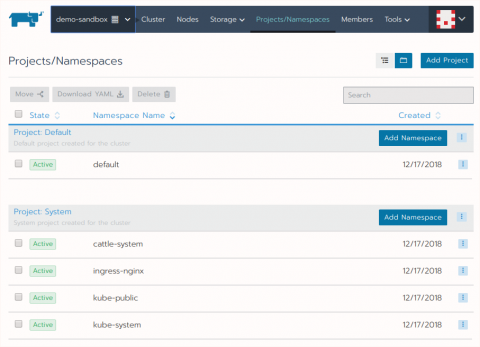
Introduction to Kubernetes Namespaces

Kubernetes clusters can manage large numbers of unrelated workloads concurrently and organizations often choose to deploy projects created by separate teams to shared clusters. Even with relatively light use, the number of deployed objects can quickly become unmanageable, slowing down operational responsiveness and increasing the chance of dangerous mistakes.

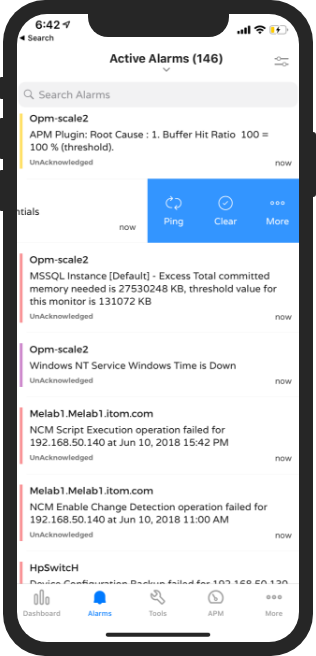
Become an eagle-eyed network admin using OpManager's push notifications

The secret to exceptional network management is periodically identifying and diagnosing network problems. Putting your experts at the network operations center (NOC) all day watching for a device to go down isn’t the best use of your workforce’s time. There has to be a smarter way to view potential network pitfalls without being glued to the chair in your NOC.

Announcing Search Autocomplete

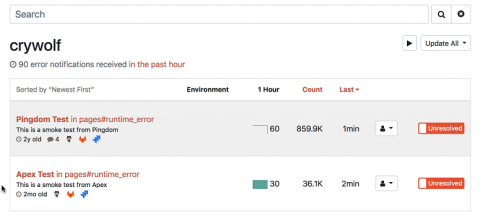
Stop the presses! We've just added a small but really cool new feature to your Honeybadger account: search key autocomplete. You've always been able to search your errors by params, session and other nested fields. It's easy to find all errors where params.user.name is bob. But there's a catch. You had to know beforehand that params.user.name exists, and you had to type it in manually. This made it really difficult to do on-the-fly exploratory searches.

Zero Trust Security: Supporting a CARTA approach with Network Security

Learn how to support, what Gartner has termed, a continuous adaptive risk and trust assessment (CARTA) when building a CaaS platform using Kubernetes. Network security enables microsegmentation and is a core component of a zero trust security model. It allows you to protect your workloads against threats without relying on assumptions about the network, infrastructure, and workloads.

Welcome to our new community platform

Our community is more than just helping with questions, sharing experiences and tailoring monitoring together. We’ve grown so much in the past 10 years that we always seek to improve the conversation. You’ve seen our many Icinga Camps, keep following our social media channels, engage with developers on GitHub, read our blog … one thing is gladly missed: Our very own discussion platform which combines a forum with a mailing list and also enables quick chats known from IRC channels.