HAProxy Details Path to Supercharged K8s Ingress Routing in New Kubernetes eBook
HAProxy Technologies has published a new eBook that showcases the power of using HAProxy in a Kubernetes environment.


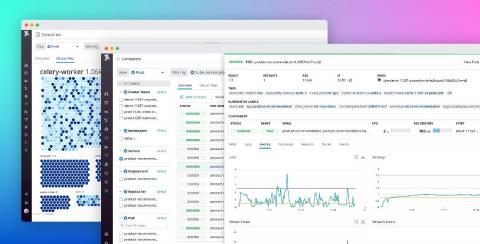
Running Kubernetes applications requires visibility into not only the overall performance of clusters but also the health of individual pods, deployments, and other resources that make up your environment. Datadog already integrates with your containerized environments and includes features like the Live Container view and the Container Map, enabling you to easily monitor Kubernetes and container runtime performance in real time and get deep visibility into clusters.
This morning, we announced that we raised $50 million in Series B funding. This additional funding, following our $24 million round last October, will enable us to dramatically accelerate research and development at Grafana Labs. We plan to hire more engineers and focus on product innovation. And importantly, it will help us continue to nurture and grow our community of millions of developers around the world.
Last week, we had an issue with one of our Kafka brokers. Don’t worry, it didn’t impact any customers. When monitoring things closely, you can often solve things before they impact a customer ;-). In today’s post, I’ll show you how we use AppSignal to dogfood our own issues. I’ll go through how we monitor the non-Ruby part of our stack and how we used AppSignal to detect and resolve the issue.
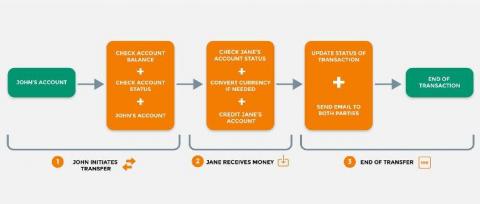
Few things are scarier than a database slowly losing integrity over weeks or years. For a while, nobody notices anything. Then users start reporting bugs, yet you can't find any code that's broken. By the time you realize the problem, it may be happening for so long that your backups are unusable. We can avoid problems like these with skillful use of transactions.