PagerDuty Process Automation and Rundeck Open Source v4.8.0 Release Notes
This release includes two powerful features, the RSS Feed Plugin and the Job Resume Plugin for parallel and ruleset workflows.. Time Stamps.


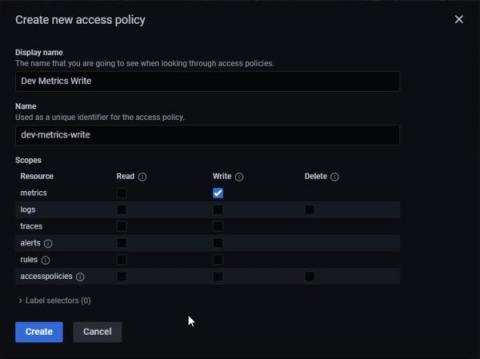
Until recently, Grafana Cloud users had to rely on API keys to read and write data to and from the composable observability platform. These API keys had minimal features, which limited administrators’ ability to manage account access on a granular level. We’re keenly aware of these shortcomings, and we’ve been working to overhaul and replace these API keys with something more flexible, more reliable, and more secure.
Kubernetes has come of age with more organizations adopting a microservices architecture at scale. But scale brings a whole slew of new challenges, especially with Kubernetes, which is designed to operate as a single cluster. However, the usage of Kubernetes, especially at leading-edge organizations operating at scale, has crossed the single-cluster threshold.
Earlier this month, I packed my bag and grabbed my lanyard to attend HAProxyConf in the beautiful city of Paris. I was far from alone: nearly 200 customers, colleagues, and community enthusiasts had the same idea. We overcame jetlag, stagefright, and introverted personality types for the joy of meeting and learning from some of the brightest minds in the industry. From load balancing to cybersecurity to endless cups of strong coffee: this is HAProxyConf 2022!
Are you curious about the difference between open-source Redis and Redis enterprise? Of course, Redis Enterprise is a hosted service that runs Redis db on behalf of its customers, while open-source Redis is available for anyone to use. However, there's also a key difference between open source and enterprise in how the clusters are implemented. In order to understand the difference, we need to know what Redis Clusters are.
Thanksgiving can seem like a stereotypical American holiday, filled with images of family and friends gathered around tables overflowing with food. But harvest celebrations are far older than the United States. People have gathered in late autumn to enjoy the fruits of their labors for generations, long before the first Pilgrim arrived in the New World. The annual harvest feast is a time to look back on and enjoy the hard-earned comforts.