Data centre networking: SDN fundamentals
This blog post is part of our data centre networking series.


This blog post is part of our data centre networking series.
Government agencies had to adapt to a rapid increase in demand for services in 2020. They also had to adjust to a remote workforce. Many found themselves picking up the pace of their digital transformations and trying to modernize during a global health crisis. Perhaps above all else, many learned the importance of using the right digital tools, platforms, and services. They still have a long way to go.
Transparency is essential when running production infrastructure. As we are onboarding more and more customers, we strive to make Qovery as open as possible and fully transparent on how it manages your applications. Check out our updated documentation to learn more on how Qovery works.
Kubernetes is the de facto container-management technology in the cloud world due to its scalability and reliability. It also provides a very flexible and developer-friendly API, which is the foundation of its control plane. The effectiveness of the Kubernetes API comes from how it manages the Kubernetes resources via metadata: labels and annotations. Metadata is essential for grouping resources, redirecting requests and managing deployments.
Five worthy reads is a regular column on five noteworthy items we have discovered while researching trending and timeless topics. This week, we take a light-hearted approach to chatbots and how they’re being integrated in business and in everyday activities.
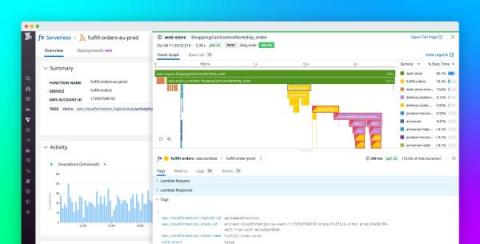
In a serverless application, AWS Lambda functions are typically invoked by JSON-formatted events from other AWS services—like API Gateway, S3, and DynamoDB—and respond with JSON-formatted payloads. Having visibility into these function request and response payloads can provide context around your function invocations and help you uncover the root causes of Lambda function failures.
Linux is one of the most popular operating systems today, powering a large portion of the Internet. According to W3Techs, almost half of today’s top-ranked 1 million websites currently run on Linux systems. So, if you want your site—and the application(s) running on it—to be high-performing with lots of uptime, you need to ensure the availability and reliability of your Linux-based servers.
On this day in 1906, barber-turned-inventor Karl Ludwig Nessler invented a machine that put permanent waves into hair in London, England.
Facebook’s October 2021 outage was the type of event that gives SREs nightmares: A series of critical business apps crashed in minutes and remained unavailable for hours, disrupting more than 3.5 billion users around the world and costing about 60 million dollars. As incidents go, this was a pretty big one.
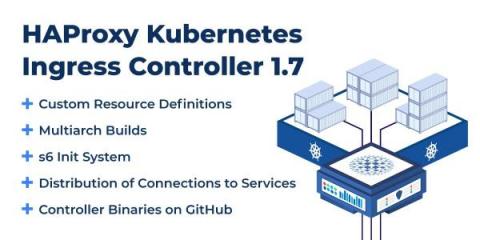
We’re proud to announce the release of version 1.7 of the HAProxy Kubernetes Ingress Controller! In this release, we added support for custom resource definitions that cover most of the configuration settings. Definitions are available for the global, defaults and backend sections of the configuration. This promotes a cleaner separation of concerns between the different groups of settings and strengthens validation of those settings.