Operations | Monitoring | ITSM | DevOps | Cloud

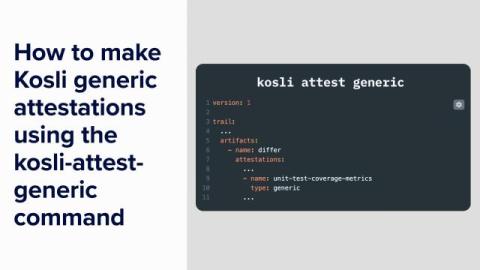
How to make Kosli generic attestations using the kosli-attest-generic command

All but one of the kosli attest commands calculate the true/false compliance value for you based on their type. For example, kosli attest snyk can read the sarif output file produced by a snyk scan. The one that doesn’t is kosli attest generic which is “type-less”. It can attest anything, but Kosli cannot calculate a true/false compliance value for you. Often the tool you are using can generate the true/false value, which is then easy to capture.

Syslog Protocol: A Reference Guide

Syslog was developed in the 1980s by Eric Allman as part of the Sendmail project and adopted by many systems over the years. When looking at Syslog, there are a few protocol options, each with slight differences. In this reference guide, I’ll break down the differences so that you have a guide to see these formats when utilizing this protocol.

Reviewing Every New Feature in HAProxy 3.1

HAProxy 3.1 makes significant gains in performance and usability, with better capabilities for troubleshooting. In this blog post, we list all of the new features and changes. All these improvements (and more) will be incorporated into HAProxy Enterprise 3.1, releasing Spring 2025. Watch our webinar HAProxy 3.1: Feature Roundup and listen to our experts as we examine new features and updates and participate in the live Q&A.

OpenTelemetry Processors: Workflows, Configuration Tips, and Best Practices

Most developers are familiar with Opentelemetry core components—Traces, Metrics, and Logs. But there’s one part of the OpenTelemetry ecosystem that doesn’t always get the spotlight: processors. These behind-the-scenes operators shape your data pipeline, helping you filter, enrich, and fine-tune telemetry data before it reaches your backend systems. Processors play a key role in making sure your data is cleaner, more useful, and just the way you need it.


The Basics of Log Parsing (Without the Jargon)

Logs are crucial for understanding what's happening in your system, but they can often be hard to make sense of. Log parsing is the key to turning raw, unstructured data into something useful. In this blog, we'll explore the basics of log parsing, its importance, and how it helps you extract valuable insights from your logs without all the clutter.

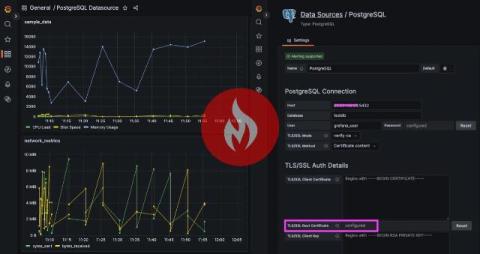
How To Configure a PostgreSQL Datasource in Grafana

So, you’ve got a PostgreSQL database packed with juicy data, and you want to turn those raw numbers into slick, interactive Grafana dashboards? Good call! Grafana’s PostgreSQL datasource is like the secret handshake that lets you visualize your data in style—no extra ETL magic required. In this guide, we’ll walk through getting PostgreSQL and Grafana to play nice, covering everything from connection settings to query tuning.