Operations | Monitoring | ITSM | DevOps | Cloud

SLSA: A Route to Tamper-Proof Builds and Secure Software Provenance

SLSA (Supply-chain Levels for Software Artifacts, pronounced ‘salsa’) is a progressive, industry-backed software security framework that safeguards software integrity throughout the development and delivery lifecycle. SLSA adoption is ramping up in industries where trust isn’t optional. As dependencies proliferate and threats multiply, SLSA provides a solid, structured path to prove that software is secure by design.

Custom 3PL Solutions Solving Distribution Challenges in South Carolina

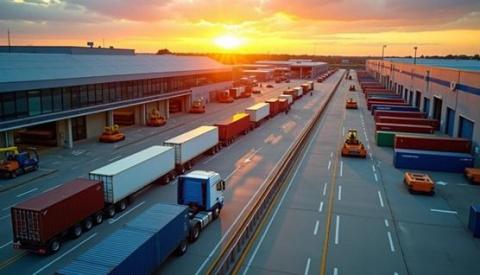
South Carolina's rapid economic growth is putting pressure on businesses to move goods efficiently. Shifting consumer expectations, supply chain disruptions, and labor or infrastructure shortages make it harder to keep up with demand. To stay competitive, many companies are turning to third-party logistics (3PL) providers for customized solutions that address these specific challenges.

Blockchain Speed: The Key to Unlocking Next-Gen Applications

Blockchain promises decentralized trust, no gatekeepers, and a new way to move value and data. But there's a catch: speed. For all its potential, blockchain has struggled with sluggish transaction times, limiting the innovations it was meant to fuel. Next-gen applications-real-time gaming, instant finance, and seamless supply chains-demand faster performance than traditional blockchains can deliver. Speed is the key that transforms blockchain from a promising idea into a real-world game-changer. Let's explore why it matters and how it's unlocking new possibilities.

Supply Chain Security: Leveraging NDR to Combat Cyberthreats

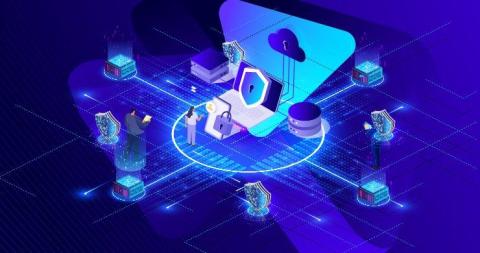
Supply chains are crucial to business operations. It’s essential to verify that the connections required for them to operate don’t provide an opaque pathway for cybercriminals to exploit. This makes supply chain security a critical concern for organizations everywhere. The criminals determined to breach security and establish a persistent presence on networks are increasingly targeting vulnerabilities in supply chains. Through a single entry point, they can compromise multiple organizations.

Who Benefits Most from Transportation Software? A Guide for Businesses

Transportation and logistics software has become a cornerstone of modern business operations, offering solutions that streamline supply chains, enhance efficiency, and reduce costs. These technological advancements encompass various tools, including transportation management systems (TMS), real-time tracking devices, and autonomous vehicles, all designed to optimize the movement of goods and services. For instance, Amazon's deployment of over 750,000 mobile robots in its warehouses has led to a 25% reduction in order fulfillment costs, demonstrating the tangible benefits of integrating such technologies.

Putting Your Data to Work to Protect Your Software Supply Chain Final

In today’s complex software ecosystem, ensuring security and reliability is more challenging than ever. Dependency trees are growing deeper, third-party contributions are increasing, and the risks - from vulnerabilities and misconfigurations to malicious attacks - are at an all-time high. Organizations must find ways to secure their software supply chains without compromising agility.

7 Key Business Operations to Automate in 2025

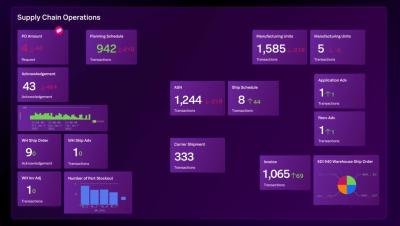
If you're still doing it all manually in 2025, it's time to update your operations. The business landscape is moving at breakneck speed, and business automation has gone beyond luxury - it's now a survival strategy. Whether you're running a startup, a mid-sized business, or a growing enterprise, streamlining core processes is not only abouttime-saving. It drives efficiency, reduces costs, and allows you to jump ahead of the competition.

Streamlining Supply Chain Operations in Retail with Asset Management Software

In today's competitive retail landscape, efficient supply chain operations are very critical in ensuring product availability, reducing costs, and enhancing customer satisfaction. Retailers face constant pressure to optimize their supply chain process from sourcing raw materials to delivering finished products. That is where asset management software comes in.

How Companies Can Adapt to Shortage and Obsolescence Challenges

Shortages and obsolescence are big issues in the business world. They can disrupt your brand's operations, affect your profit, and even threaten your survival as a company. But, with the right strategies, you can overcome these obstacles and help your business thrive. In today's article, we will be talking about what shortage and obsolescence challenges are and how you can overcome them. Let's get to it.

Key Roles And Responsibilities Of Engineers In Optimizing SCM Efficiency

In today's rapidly evolving industrial landscape, engineers are pivotal in enhancing Supply Chain Management (SCM) efficiency. Their expertise in integrating advanced technologies, optimizing processes, and implementing data-driven strategies is key for modern supply chains. The U.S. Bureau of Labor Statistics projects approximately 25,200 annual openings for industrial engineers over the next decade, driven by the need to optimize production processes and manage supply chains.