January 2020 Product Updates
The TrackJS team is hard at work polishing the product to make it even better at tracking JavaScript Errors. Here’s what we shipped in January.
It’s a new year and TrackJS has a new look. It’s smaller, it’s simpler, and it feels friendly–just like TrackJS. These minor refinements to our brand do a better job at emphasizing what were best at: easy to use and user-focused. The colors are brighter and clearer, the fonts are more refined, and there is just less noise.
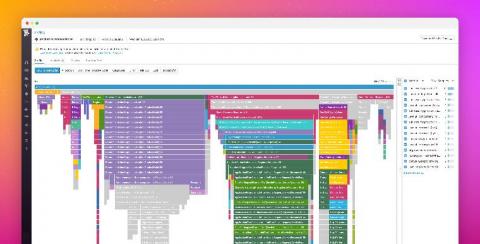
To complement distributed tracing, runtime metrics, log analytics, synthetic testing, and real user monitoring, we’ve made another addition to the application developer’s toolkit to make troubleshooting performance issues even faster and simpler. Today, we’re excited to introduce Profiling—an always-on, production profiler that enables you to continuously analyze code-level performance across your entire environment, with minimal overhead.
Does one or more of the following personas describe you? If you fit one of those personas, you are in luck because I’m happy to tell you about some new Splunk integrations with Visual Studio Code in this blog.
In case you missed our pair programming session about how to run, crash, and debug a Native application using Sentry, worry not! Our artificial intelligence Richard — much more intelligent than it thinks — has used its special powers to upload a recording of our session. This time, we chose a very special victim: Symbolicator. That’s the service responsible at Sentry for processing native crash reports.
Two months in one! We’re wrapping things up for the year, but wanted to give you all an update on all the great things we’ve shipped in the closing of 2019.