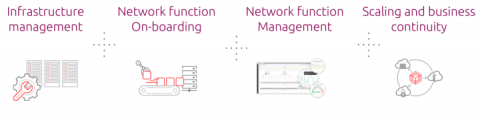
The use of NFV migration is becoming commonplace, it is made apparent there is a need for a higher degree of software management, smoother upgrades, and deployment process. Due to the complexity of the migration, Telcos have been deterred from adoption. A solution should be out there to aid businesses in managing and deploying network automation, orchestration, and managed services. In general, a telco network is complex and needs to be managed using multiple perspectives.
Work changed in 2020, but not just for the lockdown period—it changed forever. It’s become increasingly clear that we won’t return to the old working model. Workers have become accustomed to the autonomy of a remote environment. The 2021 Employee Experience Imperative found that six in 10 employees prefer some amount of remote work. As vaccine rollouts make office work possible again, employers are realizing hybrid is the future.
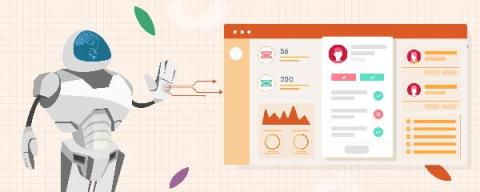
In the era of digital workplaces, AI has emerged as a catalyst in enabling simplified, intelligent, and intuitive ITSM and ITOM environments. From increasing workflow automation, reducing IT staff workload to reducing downtime and outages, AI can help accelerate your service delivery and provide meaningful business insight.
Covid fundamentally disrupted the modern workplace in a way that no technological innovation ever has. Yet despite the initial acceleration of digital transformation initiatives, we’re still burdened by the legacy of the “old way”— work about work. According to the Anatomy of Work Index, an average employee switches between 10 tools up to 25 times per day. This level of app switching makes it challenging for team members to prioritize and execute work.
In modern software systems, it is common for several developers to work on the same project simultaneously. Siloed working with infrequent merging of code in a shared repository often leads to bugs and conflicts that are difficult and time-consuming to resolve. To solve this problem, we can adopt continuous integration.