Operations | Monitoring | ITSM | DevOps | Cloud


The latest News and Information on Log Management, Log Analytics and related technologies.
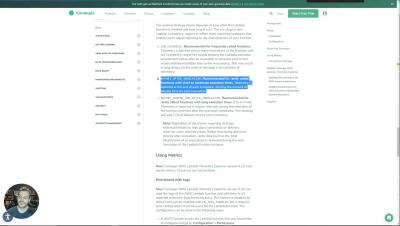

Cribl Stream's Replay vs Cribl Search's Send: Understanding the Differences
In today’s contemporary landscape, organizations produce more data than ever, which needs to be collected, stored, analyzed, and retained, but not necessarily in that order. Historically, most vendors’ analysis tools were also the retention point for that data. Still, while this may first appear to be the best option for performance, we have quickly seen it creates significant problems.
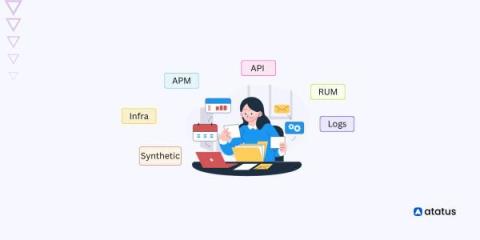
Unified Observability: The Right Way Ahead
Observability, in modern software engineering, has evolved into a paramount concept, shedding light on the intricate inner workings of complex systems. Three essential pillars support this quest for clarity: logging, traces, and metrics. These interconnected elements collectively form the backbone of observability, enabling us to understand our software as never before. Think of a system as a bustling city.

Interview with CIO Chris Campbell
In the latest instalment of our interviews speaking to leaders throughout the world of tech, we’ve welcomed Chris Campbell, CIO at DeVry University.

Observability vs. APM: What to Know on Your Monitoring Journey
In the ever-evolving landscape of software development and IT operations, monitoring tools play a pivotal role in ensuring the performance, reliability, and availability of your applications. Two key disciplines in this domain are observability and Application Performance Management (APM). This post will help you understand the nuances between observability and APM, exploring their unique characteristics, similarities, benefits and differences.
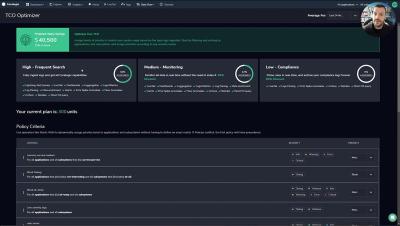
TCO Overview

Multimodal AI Explained

How To Set Up Monitoring for Your Hybrid Environment

Dashboards - Sumo Logic Customer Brown Bag - Logging - January 8th, 2024

The Role of Observability in Media and Entertainment
Digital transformation is at the core of media and entertainment organizations, it’s vital for these firms to constantly evolve to provide the best user experience to their customers. These companies must seek new and interesting content, services, and tailored offerings that enhance the audience’s experience and supply personalization. However, whilst these investments are essential to remain competitive, they’re also particularly costly.