Operations | Monitoring | ITSM | DevOps | Cloud

Landing on the Moon with Grafana and Thermal Engineering | Grafana Everywhere

In honor of World Space Week, we're spotlighting Jackson Sweeney's story and his role in Blue Ghost Mission 1. As a Thermal Engineer at Firefly Aerospace, he used Grafana to ensure that the spacecraft maintained the right temperature throughout the mission... and receive a Golden Grot Award for his use case. Behind every successful moonshot are people solving one hard problem after another. For engineers like Jackson, that means turning an extraordinary ambition into thousands of practical decisions.

Fixing 3 issues with one distributed trace

Use Sentry tracing to investigate three different problems in one shopping flow: an N+1 query, an expired promo-code warning, and a checkout exception. The entire shopping flow happens through the agent conversation on Empower Plant’s homepage: a search for plants under $200, adding one of each to the cart, starting checkout, applying SAVE20, then attempting to place the order. The trace connects that flow to repeated database queries and an N+1 issue, a warning that SAVE20 has expired, and a checkout exception with its inventory-validation stack trace.

How a Solutions Architect Brought Multi-Cloud Migration to OpenSearch | Tony Piazza

Aiven Senior Solutions Architect Tony Piazza joined the company in March. Within months he had merged five PRs adding Google Cloud support and Terraform-based provisioning to the OpenSearch Migration Assistant, a tool that previously only worked on AWS. Tony talks with Jay Miller about: Why he went from consulting to open source contribution. How a consultant’s habit of finding project risks early shaped the work. His first conference keynote at OpenSearchCon. What contributing as a vendor-neutral company looks like. Where he’s contributing next, including ML Commons, Data Prepper and the docs.

How to Integrate NinjaOne with a SIEM

In this episode of NinjaOne01, Jeff Hunter, Field CTO at NinjaOne, walks through NinjaOne’s new SIEM Exporter App. The app is a dedicated place to set up and monitor the webhooks that send NinjaOne activity data to your third-party SIEM (Security Information & Event Management) system. Note: this is an early access feature, so contact your account manager to have it enabled for your account. What this video covers.

Why AI SRE Agents Need More Than Observability Data with Groundcover | Civo Navigate London

Your AI agent can read every log, metric and trace in seconds. It still can't tell you why things broke. At Civo Navigate London, James Herbert of groundcover explains why AI SRE agents need that context to travel the whole development lifecycle. He shows how agents embedded in the tools where software is built and run can move from isolated tasks to investigating and acting with the full picture.

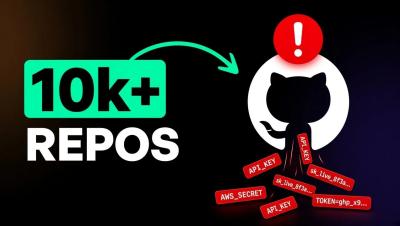
7 Layers of Agent Security (1 in 6 repos has leaked credentials)

I scanned 10,705 public GitHub repos for leaked credentials. After removing obvious placeholders, 3,543 still had something that looked like a key, and 1,680 held almost 7,000 credentials in recognizable formats like Stripe keys. If you're new to coding with agents (or you've been a dev for decades), this is the setup I'd want you to have before you ship anything public.

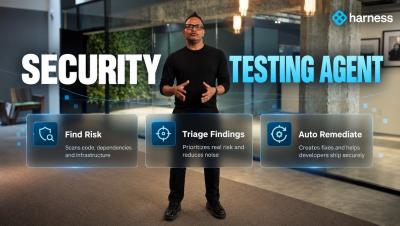
AI Finds and Fixes Security Vulnerabilities | Harness Demo

What if AI could find a security vulnerability, determine whether it actually matters, write the fix, validate it, and open a pull request for review? In this demo, see how Harness Security Testing Agents work together to move from vulnerability detection to a verified fix with an audit trail along the way. The system uses three agents: Harness can analyze where vulnerabilities exist in your environment, determine whether they’re actually reachable, prioritize what needs to be fixed, and automatically create remediation pull requests.

Searching Sentry Logs with Regex

We use Sentry's new Regex search for Logs to hunt for non-obvious bugs in our app. What do you do when traces show that Postgres jobs are backing up? Logs are trace-connected, so by looking at one of the affected traces, we can see all of the logs on that trace. In there, we can see Postgres has logged that it acquired a lock only after a long wait. Using regex, we can find all of these logs that describe acquiring a lock after a 10-second-plus wait. That narrows our search from thousands or hundreds of logs down to about a dozen.