Operations | Monitoring | ITSM | DevOps | Cloud

Open source log management tools in 2025

Log management tools provide visibility into the performance and behavior of systems, applications, networks, and infrastructure components. By collecting and analyzing logs, you can monitor for anomalies, track trends, and identify potential issues before they escalate. Choosing the right log management solution requires careful consideration of several factors to ensure that it meets your specific needs and goals. Here are the most popular open source log management tools to help you choose.


26 Azure Cost Optimization Best Practices to Reduce Azure Cost

Microsoft Azure is one of the diverse cloud platforms available today. It gives many helpful services for businesses of all sizes. But, when an organization grows its cloud usage, then managing costs becomes an issue. Microsoft Azure cost optimization is not just about reducing costs. It is about getting better performance & efficiency while staying under budget. Right here, this blog is your go-to guide in Azure cost optimization strategies and ways to save your money.

Introducing 100G MCRs

Bring super-high-bandwidth routing to your multicloud network with our new 100G option for Megaport Cloud Router. The amount of data processed by the average business on a daily basis is eye-watering, especially when you compare it to pre-COVID numbers. And as AI proliferates and globally remote workforces collaborate to hit tighter deadlines, bandwidth capacity needs just keep increasing.

Must-Have Features for Your Log Management Software

With so many choices available to us today, choosing log management software that’s just right for us has never been simpler. That is, if you know exactly what it is you are looking for. But for many users, the sheer amount of computer programs that perform the same tasks, and seem so similar(sometimes almost identical) to each other, can quickly become off-putting and confusing.

What Is API Monitoring?

Application programming interfaces (APIs) are the James Bonds of software, silently keeping everything running smoothly while sipping martinis (shaken, not stirred). They’re the vital communication channels that enable different software systems to interact seamlessly, making sure your online shopping carts don’t mysteriously empty and your social media feeds keep you endlessly entertained with cat videos.

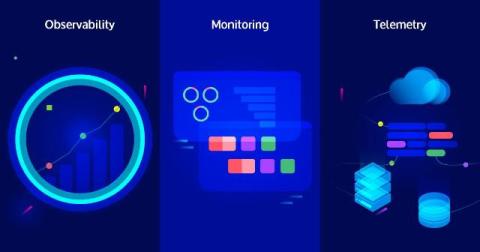
Understanding Observability, Monitoring, and Telemetry Differences

In the area of IT infrastructure management, three terms often surface: observability, monitoring, and telemetry. These concepts, while interconnected, each play a unique role in maintaining system health and performance. Observability, monitoring, and telemetry form the backbone of any robust IT environment. Yet, their differences and interrelations can sometimes blur, leading to confusion. This article aims to demystify these terms, providing clarity on their distinct roles and how they work together.

Cloud Testing Tools: Features, Benefits, And Top Examples For 2025

It’s a fast-paced digital landscape out there. So, building a reliable platform for your customers is crucial. They need assurance that your platform won’t be plagued by bugs, downtime, or outages, ensuring business continuity. This isn’t the stuff of traditional manual testing and quality assurance. Instead, you’ll want to empower your developers and QA teams with solid cloud testing tools.

Securing Your IT Network Against Cyber Attacks: A Three-Step Approach

Cybersecurity threats continue to grow in sophistication and frequency, making robust network security an essential priority for organizations of all sizes. By adopting a structured three-step approach – Identifying who is entering your network, Protecting key assets, and Maintaining good cyber hygiene – businesses can build a resilient defense strategy.

11 DevSecOps Benefits & Value to Your Business

Data security and DevSecOps should be top priorities for every business, but some of us may fear the complexities of implementation. Many organizations are still shelving security concerns in favor of quick IT upgrades and software development. Security is no longer optional. Changes to the laws that govern the collection and use of personal information have forced many to prioritize security sooner rather than later.