BetterHelp Customer Case Study
Untangling a chaotic mess can be daunting. And that’s exactly the problem Alain Adler, the Head of Engineering at BetterHelp, faced.


Untangling a chaotic mess can be daunting. And that’s exactly the problem Alain Adler, the Head of Engineering at BetterHelp, faced.
Continuous Integration and Continuous Delivery (CI/CD) delivers services fast, effectively, and accurately. In doing so, CI/CD pipelines have become the mainstay of effective DevOps. But this process needs accurate, timely, contextual data if it’s to operate effectively. This critical data comes in the form of logs and this article will guide you through optimizing logs for CI/CD.
Microservice architecture is widely popular. The ease of building and maintaining apps, scaling CI/CD pipelines, as well as the flexibility it offers when it comes to pivoting technologies are some of the main reasons companies like Uber and Netflix are all in on this approach. As the amount of services in a microservice architecture rises, complexity naturally also rises.
Elasticsearch is a complex piece of software by itself, but complexity is further increased when you spin up multiple instances to form a cluster. This complexity comes with the risk of things going wrong. In this lesson, we’re going to explore some common Elasticsearch problems that you’re likely to encounter on your Elasticsearch journey.
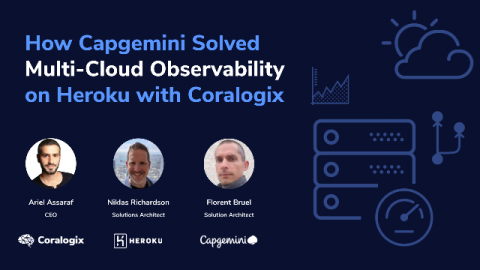
The modern enterprise has expanded its reach by using the power of cloud computing. However, with that power comes complexity in leveraging the multiple platforms needed to provide rich functionality. To achieve a seamless integration that involves multiple cloud infrastructures you need insightful and actionable data. You also need the right team to bring the clouds together in a seamless, effective, and efficient manner.
Few industries have experienced such a disruptive whiplash as the financial services industry. With the dizzying encroachment of agile, innovative, and fearless fintechs coming to the fore, traditional banking institutions have had to completely rethink their business, revenue models, and customer engagement initiatives.
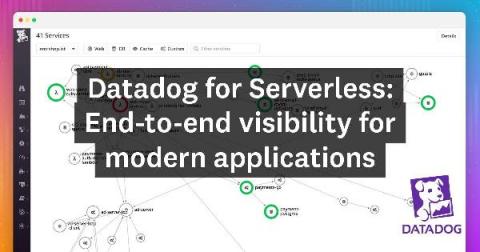
As organizations build out their serverless footprint, they might find themselves managing hundreds or thousands of individual components (e.g., Amazon S3 buckets, Amazon DynamoDB tables, AWS SQS queues) for just a single application. At the same time, performance issues can crop up at any of these points, which means that having access to detailed observability data from your serverless functions is crucial for effective troubleshooting.
As cloud providers and infrastructure technologies grow their support for Windows containers, developers who use the Windows ecosystem are more and more able to enjoy the benefits of containerization. It’s quicker and easier than ever to modernize and deploy applications that use Windows-specific frameworks like .NET. Plus, Windows developers can use orchestration services like Kubernetes, Amazon ECS, or Docker Swarm to manage the complexity that containerized environments introduce.
Kubernetes has a lot of features and deployment options for running containers. One of these is the Service. In this blog post, we’ll discuss what Services are, what they can be used for, and how to create them.