SIGNL4 supports the remote execution of automated tasks or workflows in IT or IoT systems using Remote Actions. These remote actions offer a wide range of applications. You can execute remote actions in response to an alert to trigger some kind of remediation action. But there are many more possible use cases. This article provides some examples and ideas about what is possible.
With HAProxy situated in front of their servers, many people leverage it as a frontline component for enabling extra security and observability for their networks. HAProxy provides a way to monitor the number of TCP connections, the rate of HTTP requests, the number of application errors and the like, which you can use to detect anomalous behavior, enforce rate limits, and catch application-related problems early.
At Intercom, we focus on customer experience above all—our service’s availability and performance is our top priority. That requires a strong culture of observability across our teams and systems. As a result, we invest a lot in the reliability of our application. But unpredictable failures are inevitable, and when they happen it’s humans that fix them. We operate a socio-technical system, and its ability to recover when faced with adversity is called resilience.
Lots of people believe that asset maintenance and asset repairing are the same but it's not. Asset maintenance prevents the requirement of asset repairing. Repairing is something that is broken and now needs to be brought back into running condition. Asset maintenance is an umbrella that records all that goes into keeping your resources everything looking good. By manufacturing hardware, resource support can mean normal examinations and fixes.
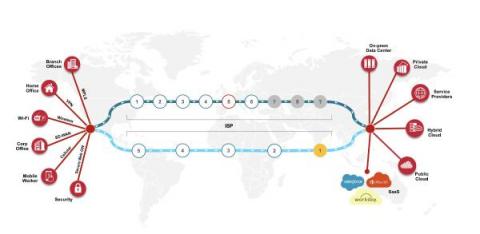
With the latest release of our network monitoring and digital experience monitoring software, we are proud to introduce an industry-first Experience-Driven NetOps solution, taking network visibility to the new enterprise network, expanding beyond the network edge to ISP and cloud providers. The DX NetOps 22.2 release will enable teams to operationalize the new enterprise network, focus on user experience, and avoid chasing utilization spikes.
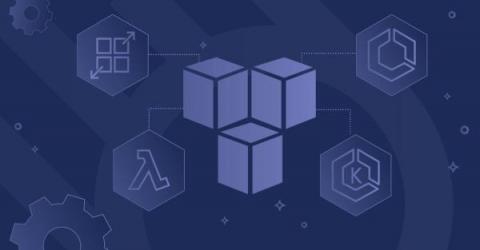
AWS provides multiple ways to deploy containerized applications. From small, ready-made WordPress instances on Lightsail, to managed Kubernetes clusters running hundreds of instances across multiple availability zones. When deciding on the architecture of your application, you should consider building it serverless. Being free from (virtual) server management enables you to focus more on your unique business logic while reducing your operational costs and increasing your speed to market.