Operations | Monitoring | ITSM | DevOps | Cloud

Featured Post

Fixing Slow Databases: Improving App Performance Overnight

There's no denying database applications have come a long way over the past few years. Despite all the improvements, however, they're still far from perfect-sometimes, they even feel painfully slow. A seemingly quick and easy task can end up taking hours for no good reason. The result? Angry users, suspicious managers, and a generally unhappy team.

How to Keep Your Eyes Healthy During Long Hours on a Computer

Do you spend the majority of your days in front of a PC or laptop screen? If so, you're not alone. According to a study by the National Institute of Health, nearly 90% of Americans use a computer for work or leisure purposes. While computers can be a great tool for productivity and entertainment, they can also be harmful to our eyesight if we're not careful. In this guide, we will discuss some tips on how to keep your eyes healthy during long hours on a computer!

Cloud Providers Health Report - September 2022

Check our September 2022 health report on the top most popular cloud providers. We analyze the health of the cloud providers based on the number of outages and problems during the month. The source of the data is made available by the cloud providers themselves via their status page. We normalize it and use it to generate the report.

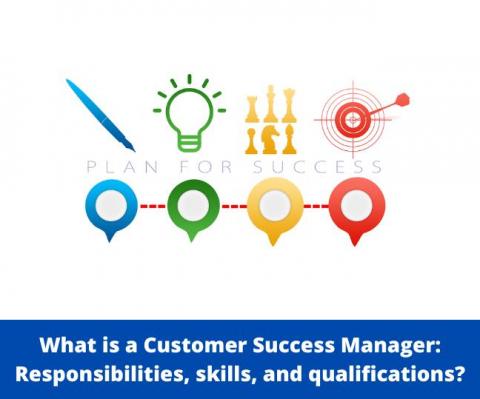
What is a Customer Success Manager: Responsibilities, skills, and qualifications?

Your company must continue to convince the customer that your product is worthwhile after the sale. The team you have promoting your products and building the consumer relationship will determine whether you succeed or fail. A customer success manager can help with that. Customer success managers assist clients, from prospects to active users, and foster long-term relationships.

Complete Guide on Depreciate Fixed Assets in 2022

As a business owner, you have probably invested in equipping your company with assets of different kinds, fixed assets being chief among them. Fixed assets are physical or intangible assets that a company uses in its business operations cannot easily convert to cash. These assets are recorded on a company’s balance sheet and typically have a long-term useful life.

Complete Guide on Depreciate Fixed Assets in 2025

As a business owner, you have probably invested in equipping your company with assets of different kinds, fixed assets being chief among them. Fixed assets are physical or intangible assets that a company uses in its business operations cannot easily convert to cash. These assets are recorded on a company’s balance sheet and typically have a long-term useful life.

Platform Engineering: Explained, Benefits, and How to Get Started?

Organizations are embracing Platform Engineers because it helps development teams deliver software releases much faster. Platform Engineers improve and automate the overall workflow starting from code to the final delivery. In this article, we will try to answer all your questions regarding Platform Engineering. We will discuss why you need Platform Engineering for your business, how it differs from DevOps and SRE, and which companies benefit most from it.

Security Best Practices at MetricFire

At MetricFire, we treat your data as our data, and we secure our data. Security is prioritized at every level of our infrastructure so you can have peace of mind that your data is sent and stored safely. Keeping MetricFire secure is fundamental to the nature of our business. One of our key priorities is to secure our customers’ metrics and trust. We diligently ensure that we comply with industry security standards so that our customers can trust that their metrics are safeguarded.

Monitor Azure Container Apps with Datadog

Azure Container Apps is a serverless platform that enables you to deploy containerized applications and microservices—regardless of their code or framework—without managing any underlying cloud infrastructure or orchestrators. By using serverless containers, Azure Container Apps can automatically scale based on HTTP requests or events supported by Kubernetes event-driven autoscaling (KEDA) in order to accommodate peak demand and meet your budgeting goals.