Operations | Monitoring | ITSM | DevOps | Cloud

Searching Observability Data Just Became Point & Shoot

The traditional approach for searching observability data is a tried-and-true: Once all the search staging is accomplished, we can perform high-speed, high-performance, deep-dive analysis of the data. But is this the best way or even the only way to search all that observability data? The answer to the first question is maybe, as it depends on what you are trying to accomplish. The answer to the second question must be a resounding no.
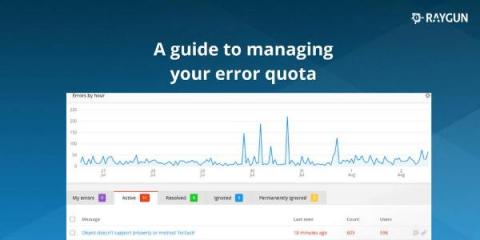
Manage your Raygun quota effectively with these tips

If you have any concerns about going over your plan’s monthly event quota, this guide will help you implement strategies to manage your Raygun error quota effectively. The key to staying within your quota is to keep the Raygun dashboard organized. This helps you save time too, as you’ll prevent non-critical errors staying active, ensuring you and your team are only alerted to the errors that matter. We recommend implementing the following actions to manage your event quota effectively.

The Top 10 Essential Asset Management System Requirements in 2023

Prioritizing the management of a company’s assets over all other management efforts is crucial. Businesses that deploy asset management systems more often see more benefits and ROI than ever. Over the years, the asset management system has enabled numerous businesses and companies to save significant money and administrative labour. For regulatory compliance reasons, asset records are necessary for both physical and digital assets to support effective resource planning.

How biometric technology is future-proofing tech operations

The rate at which we see technology advancing has perhaps never been as rapid as it is today. We live in a time in which processing capacities double every 18 months, 2.5 quintillion bytes of data are created each day, and the tech sector in the US alone has an estimated value of around $1.6 trillion. This rate of transformation has brought many benefits to almost every facet of our daily lives, from leisure and transport to education and employment, though it's the security industry that has enjoyed arguably the most meaningful advancements when it comes to future-proofing their operations.

Understanding Kubernetes Limits and Requests

When working with containers in Kubernetes, it’s important to know what are the resources involved and how they are needed. Some processes will require more CPU or memory than others. Some are critical and should never be starved. Kubernetes defines Limits as the maximum amount of a resource to be used by a container. Requests, on the other hand, are the minimum guaranteed amount of a resource that is reserved for a container.

Kafka performance monitoring metrics

In this article, we will analyze what are the metrics for monitoring Kafka performance and why it is important to constantly monitor them. We will also look at the process of monitoring metrics for Kafka using Hosted Graphite by MetricFire. To learn more about MetricFire, book a demo with the MetricFire team or sign up for the free trial.

How to Sell Managed Services: Proven Tips

Many entrepreneurs hang their shingle without putting much thought into sales. They find out further down the road that sales is the heart of enterprise, and that it demands just as much preparation and planning as any other aspect of business. More often than not, an MSP who doesn’t plan ahead finds a great deal of difficulty growing once their referral business has inevitably run dry.

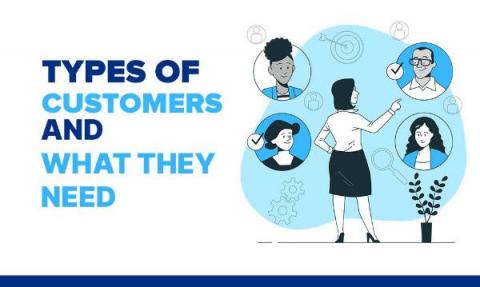
Types of Customers and What They Need

In business, you have prospects, customers, and transactors. Each has different needs and expectations. Understanding these needs and expectations is vital to providing the best possible service. Prospects are people who your company has contacted, either through direct mailers, email campaigns, or with a cold call. They have shown an interest in your product or service. They are interested in learning more about what you have to offer.

What is customer-facing? Customer facing roles 101

“Customer-facing” is a term used to describe activities, people, or departments that interface with customers. The opposite of customer-facing would be “internal-facing,” meaning activities, people, or departments that do not interface with customers. In a business context, customer-facing activities are typically sales-related, such as customer service, marketing, and product development.