Before we jump into cloud cost optimization, let us address the elephant in the room. Businesses are moving to the cloud but are struggling with unpredictable cloud bills. If you are a business owner who has moved to the cloud recently, you need to understand each cloud touchpoint and get a transparent view of your cloud services. When it comes to cloud cost optimization, there are many tools and techniques that organizations can adopt. Most of these can only take you so far.
The System Administrator! AKA the Sysadmin. The keeper of the network, computers – well basically all things technology. The one who is hated for imposing complex passwords and other restrictions, but taken for granted when everything works well. They are the first to be called when “facebuuk.com” reports: “domain does not exist”.
Can companies afford to have network breakdowns or downtime in this digital-first era? No, they can't. With digital transformation taking place across industries and increasing expectations to stay connected wherever you are, companies need to up their game and ensure they provide uninterrupted network services and high performance. Therefore, understanding network fault management and monitoring - what they are, and the benefits of using a fault management system can help you manage your network more effectively.
You’re part of a data-driven engineering team. You have a rich, complex, and dynamic set of tools but you’re struggling to discover and share insights from all that data. So, you're looking for a platform that will help unify it all. Naturally, you want to compare Grafana vs. Power BI - the big names. Plus, there's a new player on the block - SquaredUp.
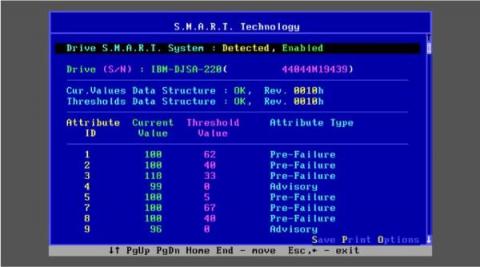
Understand what makes a storage device S.M.A.R.T and how to monitor a self monitoring component using Netdata.
Find out how to effectively and easily monitor and troubleshoot BIND 9 using Netdata.
Observability, monitoring, and telemetry are crucial for maintaining the performance and reliability of modern systems. Their concepts are often used interchangeably, but they have distinct differences that are important to understand. In this blog, we’ll explore each concept in detail, including key characteristics and examples of tools. We’ll also compare observability vs monitoring vs telemetry and discuss when it’s appropriate to use each.