Businesses are increasingly adopting distributed microservices to build and deploy applications. Microservices directly streamline the production time from development to deployment; thus, businesses can scale faster. However, with the increasing complexity of distributed services comes visual opacity of your systems across the company. In other words, the more complex your system gets, the harder it becomes to visualize how it works and how individual resources are allocated.
The IT security landscape has been fundamentally transformed with the advent of cryptocurrencies, which have enabled hackers to easily monetize their activities without being tracked. This is one of the key drivers behind ransomware attacks becoming more numerous and more frequent.
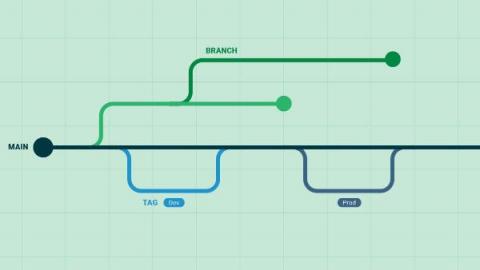
Version control systems are valuable tools for tracking and managing changes to software projects. They record every modification to software code and store the complete project history in a database, enabling developers to collaborate, experiment with new features, and roll back changes when necessary. Git is the most widely used version control system today.
Release notes provide essential documentation when a new software version is released. For release notes to be most effective, dev teams must consolidate all of the work that has been done since the previous release. It is a hectic task that requires a lot of effort and time sorting through weeks or even months of software issues and pull requests. Why not make the life of the release team easier by automating the creation of release notes?
What's the difference between SLAs vs SLOs vs SLIs. Understanding these little nuances are critical for DevOps folks. Here's a simple reckoner on what each of these mean.