After a span of 5 long years, we've bid farewell to Cycle's old portal. Our engineering team has been working tirelessly over the last 10 months to bring a fresh, new interface to the platform for our users. This new design encapsulates the wealth of insights we've gained during this period. Just last week, we took the decisive step of launching it into production, and the initial feedback has been overwhelmingly positive.
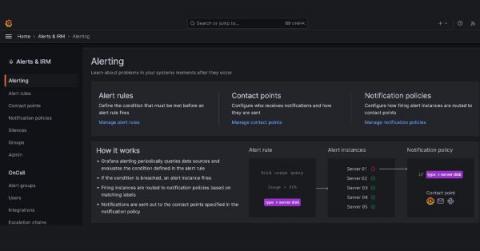
Combining these two platforms provides an efficient, scalable and customizable tool for real-time data monitoring and alerting. In the data analytics and visualization world, it is crucial to have a system that not only effectively monitors your data, but can also alert you about any potential discrepancies or anomalies that may arise. One powerful tool set that enables you to monitor and alert on time series data is Grafana and InfluxDB Cloud Serverless.
What do mall food courts and Honeycomb have in common? We both love sampling! Not only do we recommend it to many of our customers, we do it ourselves. But once Refinery (our tail-based sampling proxy) is set up, what comes next? Since sampling is inherently lossy, it’s good to be sure the organization’s most important measurements aren’t negatively affected.
When looking at any automation task in System Center Orchestrator, it will inevitably need to connect to other enterprise management systems to automate the process. This means using an Integration Pack or writing your own piece of PowerShell script to build an integration yourself.
Reliability impacts every organization, whether you plan for it or not. Leading companies take matters into their own hands and get ahead of incidents by building reliability programs. But since many of these programs are still nascent, how do you know what good looks like? Of course, the right tools and technology that can enable your team to uncover reliability risks before they impact users play an important role. But improving reliability goes beyond technology.
When it comes to managing your database, monitoring is crucial for maintaining data integrity, optimizing performance, and ensuring efficient resource allocation. In today's fast-paced technological landscape, having real-time insights into your database's health is more important than ever. This is where Heroku Postgres and Hosted Graphite come into the picture.
Printers play a crucial role in various industries, helping businesses efficiently manage their document workflows. However, ensuring optimal printer performance and minimizing downtime can be a challenge. This is where hosted graphite comes into the picture. Hosted graphite is a powerful monitoring tool that allows businesses to graph metrics and gain valuable insights into their printer systems.
In the realm of IT infrastructure monitoring, Nagios has long been a popular choice due to its robust feature set and flexibility. However, even reliable systems can encounter issues, and one recurring problem that Nagios users might encounter is the "Return code of x is out of bounds" error. In this blog post, we'll dive into the details of this error, what causes it, and how it can impact your monitoring efforts.
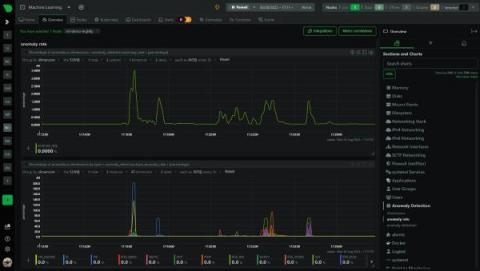
We have recently added a more detailed anomaly rate chart to Netdata that breaks out the overall node anomaly rate by type, this lets you more easily see what parts of your infrastructure might be experiencing an uptick in anomalies when you see the overall node anomaly rate increase.