Operations | Monitoring | ITSM | DevOps | Cloud

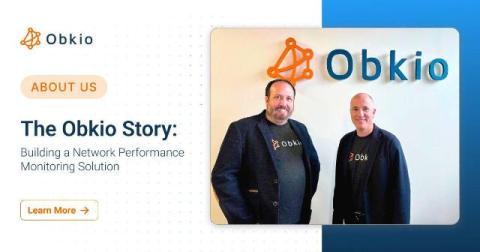
The Obkio Story: Building a Network Observability & Monitoring Solution

In 2016, before Obkio existed, we ran a market audit. We interviewed banks, manufacturing companies, and service providers, and asked them one simple question: Why aren't you using a Network Performance Monitoring solution? The answer was unanimous: the tools were too complex, and nobody had the internal resources to run them full-time. If that was true for enterprises with dedicated networking staff, it was even more true for smaller businesses with generalist IT teams.

Observability vs Monitoring: Why the Difference Still Matters in Complex Systems

In modern infrastructure, the words observability and monitoring are often used as if they mean the same thing. That shortcut sounds harmless, but it creates real confusion inside technical teams and business discussions. The two ideas are connected, yet they solve different problems. In simple systems, the gap may feel small. In complex systems, the gap becomes impossible to ignore because the cost of misunderstanding it usually appears during failure, not during routine operation.

Adapting Your Mobile Device Management for Evolving Cyber Threats

You can reduce this risk with multifactor authentication, where users confirm their identity through a second step, such as a mobile notification or biometric verification. Even if credentials are compromised, attackers cannot easily gain access to your systems.

Why Miami Businesses Need IT Support That Sees Problems Coming

In Miami, downtime rarely stays small for long. A dropped connection in Brickell can stall a sales call. A failed backup in Coral Gables can turn into a compliance headache. A slow server in Doral can drag down an entire team before anyone even realizes what is happening. That is why more companies are moving away from reactive, break-fix support and looking for Miami-based IT services with proactive monitoring.

Apple Developer outage on March 10th

On March 10, 2026, developers around the world began experiencing issues with Apple Developer services that prevented apps from being verified or launched on physical devices. For many teams building and testing iPhone apps, the outage disrupted development workflows and blocked deployment to test devices. The issue appeared to involve Apple’s developer certificate verification systems.

Improved Azure status integration

Monitoring Azure health across large environments should not require complicated setup. Until recently, connecting Azure to StatusGator required configuring access at the subscription level, which could become difficult for organizations managing dozens or even hundreds of subscriptions. We redesigned the Azure integration to make it simpler, more scalable, and easier to manage.

Let's Encrypt 45-Day Certificate Expiration: Monitoring & More

TLS certificate lifetimes are shrinking fast — and that changes how every organization handles renewals, validation, and outage prevention. Let’s Encrypt has confirmed it will move from 90-day certificates to 45-day certificates (with staged rollouts) and dramatically shorten authorization reuse windows. At the same time, the CA/Browser Forum’s Ballot SC-081v3 has adopted a broader industry schedule that ultimately caps public TLS certificates at 47 days by March 15, 2029.

Monitoring Your Node.js App Health on Fly.io

The Node.js service has just been containerized and deployed with a single fly deploy command across continents. Everything seems to be alright, but then a week later, a user messages you saying the app is slow. You run the fly logs command and scroll through some logs, and find nothing out of the ordinary. The Fly.io dashboard says the app is running and healthy, but something behind the scenes is slowing down the app, and you have no idea what. You don’t even know where to start.