The ability to work from anywhere is a great concept but isn’t without specific challenges to navigate, especially for the IT teams of an organization.
Uptime.com checks can test anytime, from anywhere, to catch the downtime incidents you need caught. With worldwide probes, or through private locations that monitor your internal network, we reliably detect outages and monitor performance across your websites, applications, servers and infrastructure. Read on to explore 15 use cases for the HTTP(S) check type. HTTP(S) checks validate if a server is up or down, while reducing the possibility of false positives.
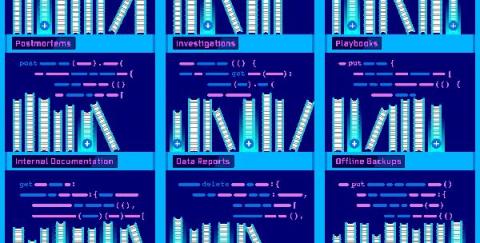
Datadog Notebooks simplify the way teams across an organization find and share knowledge. By bringing together live data and rich Markdown text, Notebooks help teams create powerful, data-driven documents—from runbooks and support playbooks to incident postmortems and data reports. And with collaboration functionalities like real-time editing and commenting, team members can simultaneously make changes to a document and gather feedback along the way.
When Kubernetes launches and schedules workloads in your cluster, such as during an update or scaling event, you can expect to see short-lived spikes in the number of Pending pods. As long as your cluster has sufficient resources, Pending pods usually transition to Running status on their own as the Kubernetes scheduler assigns them to suitable nodes. However, in some scenarios, Pending pods will fail to get scheduled until you fix the underlying problem.
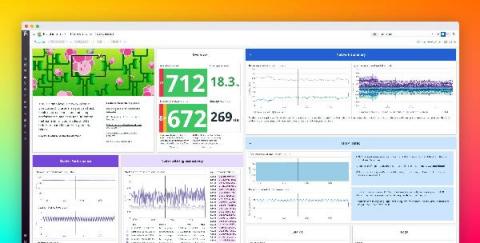
Dashboards are a crucial tool in your monitoring arsenal, as they allow you to visualize and correlate telemetry data from across your stack in a single place. Historically, Datadog offered two dashboard types: Screenboards, for pixel-level control on a canvas, and Timeboards, for troubleshooting a specific point in time. Now, we’re excited to introduce a new dashboard layout that combines the best of Timeboards and Screenboards in a single, seamless editing experience.
With the quantum leap in the adoption of remote work environments, cybercriminals are turning their attention on the security vulnerabilities in these environments. On top of this, protecting remote connections is becoming increasingly difficult because hacking techniques have become more sophisticated. At ManageEngine, we’ve designed a seven-step strategy to help ensure holistic Exchange security: Detect attacks before they cause damage.