Operations | Monitoring | ITSM | DevOps | Cloud

What Is Zero Trust Architecture: The Top IT Security Model Explained

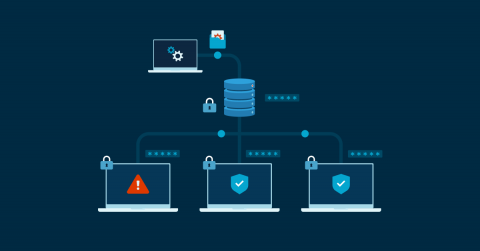
There are plenty of IT horror stories out there that show just how catastrophic cyberattacks can be for businesses. In addition, the amount of cyberattacks that occur is increasing year by year. Internet users worldwide saw approximately 52 million data breaches during the second quarter of 2022, as shown by Statista’s 2022 cybercrime review. To fight these cyberattacks and protect their businesses, organizations have adopted the zero trust model.
What is Differential Backup (SQL Server)

Even though SQL (Structured Query Language) has been around since the 1970s, it’s still a relevant and widely-used tool in today’s IT world. Many organizations around the globe still rely on SQL server databases to store their confidential data. In order to protect this valuable information, IT professionals often use differential backup to protect data in SQL servers. As you know, there are multiple types of backup available, so why use differential for SQL servers?

Guide for MSPs: How to Use an RMM Platform

Remote monitoring and management (RMM) software has become an indispensable tool for IT service providers. Numerous factors, such as the pandemic, the push towards cloud services, and shortages of IT staff, have increased the number of remote and distributed workers to a staggering degree, increasing the need for a consolidated way to view and manage IT environments. Learn all about RMM software, its capabilities, and why MSPs can’t run a successful business without it.

What Is Endpoint Security and How Does It Work?

This year, organizations around the world are focused on strengthening their endpoint security, especially since the average cost of data breaches is rising significantly. IBM’s data breach report confirms that the average global cost of a data breach is 4.35 million, and the U.S. average cost is 9.44 million. Endpoint security is a part of a cybersecurity program that prevents threats and attacks from damaging an IT environment.

Endpoint Visibility: What It Is & How to Achieve It

Businesses have a growing number of endpoints in their IT environments. Endpoints give end users tools to increase their productivity, get quick access to information they need, and connect with other fellow end users. However, there are risks that come with having these devices, such as cyberattacks and losing money due to endpoint maintenance issues.

How the Strengthening of the American CyberSecurity Act Affects MSPs in 2023

President Joe Biden signed the Strengthening American Cybersecurity Act into law in March of 2022. The Act consists of various regulations, but it’s the security incident reporting requirements that are creating a stir in the IT community. Currently, the reporting requirements are focused on critical infrastructure, but there is a great deal of potential that entities in various industries could ultimately be subject to these requirements.

Linux Patch Management Guide & 5 Best Practices

Since the number of Linux users currently sits at over 32.8 million, it’s clear that Linux is one of the most popular operating systems on the market. If your IT team uses or services Linux servers and devices, Linux patch management should be a top priority. Secure and update all your Linux devices with this comprehensive Linux patch management guide.

Top 5 Patch Management Challenges of 2023

From Microsoft to Samsung, even the world’s leading tech enterprises often face the consequences of unpatched software, including security compromises, data theft, and loss of resources. It’s clear that patching is important for the success and security of an IT infrastructure; however, patch management is by no means an easy task.

7 Server Patching Best Practices for Businesses

Patch management is the process that helps you keep your IT assets safe, protected, and functioning optimally. Server patching follows many general patch management best practices, but it also includes tasks and processes that are specific to patching servers. In this article, we’re going to discuss what patch management best practices apply to server patching in your IT environment, and how you can start improving your server patch management process.

What You Need to Know About IT Automation (and Common IT Tasks to Automate)

Picture this: your organization has grown exponentially in the past couple of years and the IT team is having a hard time keeping up the rapid growth. You were able to get hiring approved but there is still so much work that your team is having to work overtime just to stay afloat. Plus, now the CEO is hoping to free up some of your usual operational workload to focus on more strategic projects, leaving you wondering how you can manage all of these tasks with the bandwidth available.